
Naz Deravian
Food writer
Books & Sources
Recipes

Agua Fresca
Naz Deravian · NYT Cooking
Sipping on an agua fresca is like doing a cannonball into a crisp, cold lake on the hottest of summer days. Cooling, thirst-quenching and uplifting, the drink is widely consumed in Mexico, Central America and the Caribbean. In the United States, the invigorating beverage is found on the menus of many Mexican restaurants, but it’s also sold by street vendors. Meaning fresh water in Spanish, refreshing aguas frescas are a blend of water, sugar and often lime juice with a variety of ripe fruits, dried flowers or nuts and grains. How much sugar you add depends on the sweetness of the fruit. Agave syrup may also be used as a sweetener. The mixture is typically strained to remove pulp, but you can skip straining if you prefer. The fruit suggestions below — melons, pineapple, strawberry, cucumber and mango — work great, but you can try any variety of fruit, like oranges, peaches, bananas or tamarind. Serve agua fresca on ice, or cover and chill in the refrigerator before serving.

Alitcha Kik (Stewed Yellow Split Peas)
Naz Deravian · NYT Cooking
Genet Agonafer, chef owner of Meals by Genet, offers an array of dishes using a variety of legumes at her award-winning Ethiopian restaurant in Los Angeles. Alitcha kik is a comforting, protein-packed yellow split pea dish that is spiced and tinted with turmeric. Alitcha refers to a meat or vegetable stew prepared without berbere, the fragrant, chile-based spice mix widely used in Ethiopian cuisine. According to Ms. Agonafer, the foundation of most Ethiopian dishes is onion. To properly cook down the finely chopped onion, she quickly boils it and then cooks it in oil with crushed garlic and the rest of the ingredients. Yellow split peas need plenty of water to soften. Alitcha kik shouldn’t be too thick; add water as necessary for a creamy consistency. Alitcha kik is traditionally served with injera, but it also pairs well with rice or bread of choice. Naz Deravian

Beef Pho Recipe
Naz Deravian · NYT Cooking
A soothing, restorative bowl of beef phở, the national dish of Vietnam, is defined by the quality of the broth, according to Thuy Diem Pham, chef and owner of The Little Viet Kitchen in London. Regionality and geography distinguishes various styles of phở. According to Ms. Pham, in the cooler climate of northern Vietnam, phở is saltier, and to keep the broth hot, it is mainly topped with just sliced onion. In the south, “the broth is sweeter and because of the hotter climate, tons of herbs are thrown in to cool down the broth.” This recipe, adapted from Ms. Pham’s cookbook, “The Little Viet Kitchen” (Absolute Press, 2019), is in the southern style which is where her family is from. Ideally, the broth should be light and clear like chicken broth, not murky and dark. To achieve the telltale golden broth, beef bones, oxtail and ribs are first soaked, then parboiled, and finally gently simmered along with brisket, spices and aromatics for many hours. This is a slow, luxurious project, best

Blackened Salmon
Naz Deravian · NYT Cooking
Coating fish fillets in a flavorful spice mixture and cooking them in a searing-hot pan until blackened is a technique popularized by legendary Louisiana chef Paul Prudhomme. In this version, center-cut salmon fillets gain a crisp, deeply seasoned crust while remaining tender and flaky on the inside. For the telltale blackened crust, you’ll need to start with a hot pan (cast-iron works best). Be sure to crack a window and turn on the exhaust fan, if possible, as there will be some smoke. Serve blackened salmon with any combination of side salad, rice and grilled or roasted vegetables; or use as a filling for tacos or fish sandwiches.

Butter Swim Biscuits
Naz Deravian · NYT Cooking
These tender, buttery, crisp buttermilk biscuits satisfy all urgent cravings. You can happily set aside any hesitancy about preparing biscuits because these tangy, fluffy ones come together quickly — no cutting cold butter into flour or rolling out dough. The batter is combined in one bowl and then spread over melted butter, giving the impression of a batter swimming in butter, as the name suggests. While the biscuits bake, they absorb all the buttery goodness and crisp up around the edges. Butter swim biscuits are best served warm and fresh out of the oven but will keep covered at room temperature for up to one day (see Tip).

Butternut Squash Sambar
Naz Deravian · NYT Cooking
Loaded with a rainbow of vegetables and protein-packed toor dal (split pigeon peas), sambar is a comforting South Indian stew that’s tangy with tamarind and typically served for breakfast topped with a spicy, crunchy tadka (spiced ghee or oil). Sambar powder, the namesake of the dish, is a mix of fragrant spices like coriander and cumin, and pulses such as roasted chana dal and urad dal. Toast your spices and grind them for a fragrant and fresh homemade sambar powder. You can also use the jarred spice mix available at Indian markets. In addition to sunny butternut squash and the other suggested vegetables, feel free to swap in or add others like green beans or eggplant. Serve sambar with idli and coconut chutney; dosas; or rice.

Champurrado
Naz Deravian · NYT Cooking
This creamy and rich atole, or corn-based drink, is made with Mexican chocolate, cinnamon and raw cane sugar, then thickened with toasted masa harina for a soothing hot drink that is often served in cooler months and for holidays like Día De Los Muertos and Las Posadas. Piloncillo, a cone-shaped raw cane sugar, is usually added for sweetness, but you can use brown sugar in a pinch. If you’d like to experiment, add warm, whole spices, such as cloves and star anise, or orange peel to the simmering pot. Traditionally, champurrado is prepared in a clay pot and mixed with a molinillo, a wooden whisk, to make the drink frothy, but for a similar effect, continually whisk the champurrado, or use an immersion blender to froth it up right before serving. Champurrado is often served with hot, crispy churros alongside.
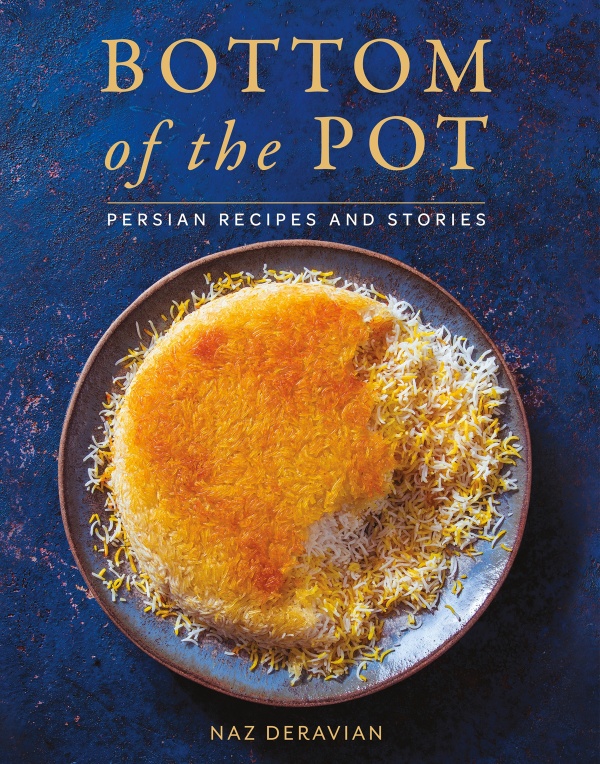
Chelo Ba Tahdig - Steamed Persian Rice with Tahdig
Naz Deravian · Bottom Of The Pot: Persian Recipes and Stories
Chelo is Iran’s culinary gift to rice lovers worldwide. This is the traditional two-step method of rice preparation - parboil the rice and drain, add enough oil to the bottom of the pot to turn out (fingers crossed) a crispy, crunchy tahdig, add the rice back to the pot and steam. The result has the tell-tale signs of lovingly prepared Persian rice: long, individual, fragrant, saffron-stained grains of rice, scattered like jewels across a platter with pieces of golden, crispy tahdig shining alongside. I save this method of rice preparation for the weekend and when entertaining.

Chicken Adobo
Naz Deravian · NYT Cooking
Adobo, often referred to as the national dish of the Philippines, is a braise of meat, seafood or vegetables in a mouth-watering sauce of vinegar, soy sauce and other spices (and sometimes a coconut milk). It is a technique that has been used by Filipinos long before colonization, and variations abound by region, household and personal taste. This version calls for bone-in, skin-on chicken pieces, but you can also use boneless, if you prefer (see Tip). Cane vinegar, available at specialty markets and online, is used here for its mild flavor, but you may also use white, cider or rice vinegar. The signature, irresistible tang from the vinegar may be balanced with sugar to taste. Serve with rice, generously spooning the zippy sauce on top.

Chicken and Vermicelli Soup With Lime
Naz Deravian · NYT Cooking
A soothing bowl of broth and wheat vermicelli is popular among many cuisines, and often the go-to soup at the first signs of a cold or ailment. Available at many grocery stores and at Middle Eastern and Latin markets, the vermicelli noodles are packaged already broken or sold in nests which you can break by hand. (Note: These are not rice vermicelli noodles.) The finely chopped vegetables and chicken, along with a bit of tomato paste and turmeric, make for a satisfying and savory broth. The soup will thicken as it sits; you can adjust the consistency to your liking by adding more water when reheating.

Chicken Satay
Naz Deravian · NYT Cooking
Bursting with warming flavors and scents of spices like coriander, cumin, cinnamon and turmeric, this is a weeknight-friendly Thai chicken satay adapted from Canadian cookbook author and YouTube chef Pailin Chongchitnant. Satay, a popular street food of skewered marinated meats, made its way to Thailand and other Southeast Asian countries from Indonesia. Though it was originally prepared with beef, pork is now the most popular meat for satay in Thailand (and chicken is used more commonly outside of Thailand). In this version, adapted from Ms. Chongchitnant’s cookbook “Sabai” (Appetite by Random House, 2023), skewers of boneless marinated chicken breast are cooked on the grill or stovetop. A rich and sumptuous satay dipping sauce is prepared with roasted peanuts, coconut milk and red curry paste. Serve chicken satay with ajaad (tangy and crisp quick-pickled cucumbers) and a side of rice. Naz Deravian

Chile Crisp and Honey Roasted Salmon
Naz Deravian · NYT Cooking
Roasting a large salmon fillet that’s been covered with a sweet and spicy paste of chile crisp, mayonnaise and honey makes for a dish that’s worthy of a celebration, but also can make a weeknight feel like a special occasion. Use your favorite jar of chile crisp or make your own. Using one large piece of salmon (rather than several smaller fillets) makes it easier to spread the paste over the fish, helps it bake more evenly, and makes for a dramatic presentation. For a lighter meal, serve with a simple arugula salad; or round it out with a side of roasted potatoes or rice.

Chirashi Sushi
Naz Deravian · NYT Cooking
Just as beautiful to look at as to eat, chirashi, meaning scattered in Japanese, is a colorful dish often served on celebratory occasions. The sushi rice, seasoned with rice vinegar and barely a hint of sugar, lays the foundation for a kaleidoscope of flavorful and textured toppings that vary by region and family. This version is a home-style chirashi scattered with a variety of vegetables and cooked fish, including sake-steamed shrimp and sticky sweet grilled eel (unagi). A savory vegetable mix of shiitake mushrooms, carrot and kanpyo (dried gourd strips) add texture and fill out the rice. For a splash of color and added protein (you can skip the fish altogether and add more vegetables for a vegetarian dish), bright yellow kinshi tamago (egg ribbons) are scattered on top like thin party streamers. Crisp ginger-pickled lotus root enlivens everything, and rosy-hued ikara (salmon roe) pop with subtle flavor from the sea. Preparing this dish from scratch is a multistep project, but you ca

Chocolate Chia Pudding
Naz Deravian · NYT Cooking
Ideal for a quick, grab-and-go breakfast or snack, chocolate chia pudding is a nutritional powerhouse that takes minimal effort to prepare. Flavored with cocoa powder and warming spices like cinnamon, cardamom and a pinch of nutmeg, this cooling pudding can be prepared with your milk of choice, no cooking required. It does need an overnight rest in the refrigerator to set: For the best texture, stir the pudding mixture together in the evening for breakfast or a snack the next day. The longer the pudding rests, the more the chia seeds will expand and absorb the liquid. Add a splash of milk to thin out to desired consistency when serving, and top with any combination of fruits, nuts and granola.

Coconut Chutney
Naz Deravian · NYT Cooking
Savory, creamy and tinglingly spiced, coconut chutney is a staple South Indian condiment that can be prepared with endless variations. For the best texture, use fresh or frozen grated coconut. You can simply use frozen grated coconut available at Indian markets. Or, if you’re up for a fun task, you can crack into a fresh coconut, peel and grate it. While desiccated (dried and grated) unsweetened coconut can be used with the addition of a little more water, it won’t have quite the same texture. The chutney is thickened with roasted chana dal (you can also use peanuts) and spiced with green chile and garlic. Swap out the garlic for ginger, if you prefer. And don’t skip drizzling on the tadka (spiced oil) which makes everything sing and sizzle with a welcome crunch and heat. For a comforting and nutritious South Indian breakfast, serve coconut chutney with idli and sambar; or dosas. Coconut chutney is best served the day it’s made but will keep covered in the refrigerator for up to two da

Cottage Cheese Egg Bites
Naz Deravian · NYT Cooking
Egg bites are a perfect, protein-rich snack to have on hand for busy mornings. Blending eggs with cottage cheese and shredded cheese, dividing the mixture among muffin cups and baking in a water bath result in a soft, delicate texture. For the right consistency, use a blender to combine all the ingredients until just smooth and frothy. You can add any fillings that you like (leftover cooked vegetables are a great addition). Use any of the shredded cheeses suggested or a combination, and finish with a sprinkling of Parmesan if you like. The water bath creates steam, which ensures the eggs bake gently and remain fluffy (see Tip). For best results, use a silicone muffin pan, so the egg bites pop right out.

Éclair Cake
Naz Deravian · NYT Cooking
Lush and creamy, éclair cake is a dessert popular in the Midwest and beyond that’s perfect for any gathering, celebration or potluck. Inspired by the flavors of the classic French éclair pastry, this no-bake American iteration is reminiscent of an icebox cake. Typically, graham crackers are softened under layers of a pillowy smooth mix of vanilla pudding and whipped topping, and covered with rich chocolate. This version uses homemade crème légère (a fluffy mix of pastry cream and whipped cream) and a simple homemade semi-sweet chocolate ganache. The crème légère might sound fussy, but the preparation here is streamlined (no tempering of eggs required) and makes for a just-sweet-enough creamy filling. (Of course, in a pinch, you can swap in store-bought pudding and whipped topping.) Éclair cake needs chilling time, which makes it a great make-ahead dessert, and is best served after 24 hours in the fridge.

Eel Sauce
Naz Deravian · NYT Cooking
Unagi no tare, or Japanese eel sauce, is a salty-sweet combination of soy sauce, mirin, sugar and sake that is typically brushed over grilled eel and eel sushi. It’s similar to teriyaki sauce, but sweeter, and can be thickened to your liking. Besides using it as a glaze, try eel sauce as a marinade or dipping sauce for any number of dishes, such as chicken, fish, eggplant, mushrooms or tofu. Or, drizzle over rice, noodles or stir-fries.

Filipino Fruit Salad
Naz Deravian · NYT Cooking
A colorful, sweet and delightful treat often part of Noche Buena feasts, Filipino fruit salad is easy to prepare and a joy to share. Variations abound, but at its heart it’s a combination of shredded young coconut (see Tip) and canned fruit cocktail mixed with condensed milk and all-purpose cream, a shelf-stable canned variety with a delicate taste and texture. This version, adapted from Ellen Tran, owner of Bahay Natin Food Mart in Los Angeles, includes sweet, chewy nata de coco (coconut gel) and kaong (candied sugar palm fruit). For a savory bite to balance all the sugary goodness, some also include bite-size cubes of cheese. Ms. Tran recommends draining the solid ingredients well and serving the fruit salad nicely chilled to keep the sweetness in check.

Gheysava (Eggs With Dates and Cinnamon)
Naz Deravian · NYT Cooking
A sweet and savory combination of rich dates and eggs, gheysava is an energizing breakfast dish popular in Tabriz, the capital of Iran’s East Azerbaijan Province. The dates are first soaked in hot water to soften, and then cooked in butter alongside walnuts until caramelized and luscious. Some variations cook the dates down until smooth and creamy and the eggs are then scrambled in, but here the dates retain their form and the eggs are simply cracked right into the pan. Juicy, meaty dates such as medjool dates are best here. Gheysava warms you from within and fills you with vitality and strength to take on the day. Serve with bread and a hot cup of tea.

Gluten-free Cottage Cheese Pancakes
Naz Deravian · NYT Cooking
You’ll use up a full container of cottage cheese, along with a generous helping of high-fiber rolled oats, to make these gluten-free protein-rich pancakes. The batter comes together in a high-speed blender or a food processor, which pulverizes the oats and breaks up the cottage cheese curds. For extra flair, you can add a variety of flavorings, like cinnamon and nutmeg or grated lemon zest. Make a whole batch and keep any extras in an airtight container in the fridge for up to 3 days; or wrap each pancake in foil and store in a resealable bag in the freezer for up to 2 months. Reheat in a low oven.

Idli (Fermented Rice Cake)
Naz Deravian · NYT Cooking
Fluffy, tender and slightly tangy, idli is a South Indian breakfast staple. The wild fermentation of idli rice, along with urad dal and fenugreek seeds, makes for nutrient-rich and protein-packed steamed rice cakes. The addition of poha (flattened rice flakes) ensures that the idlis turn out soft and fluffy. Use an Indian wet grinder or a blender to grind the ingredients, along with their yeast-rich soaking water, into a thick paste. For the right texture and requisite tangy flavor, the batter needs up to 24 hours to ferment. (In colder climates, you might need to soak the ingredients longer; in the hotter ones, you might need less time to ferment.) The fermented batter will keep, covered, in the fridge for up to 5 days, so you can whip up idlis as you like. To steam the rice cakes, you’ll need an idli stand. (They’re available at Indian markets and online, as are the ingredients.) Serve idlis with coconut chutney and sambar, or any chutneys you like, such as mango-tamarind, cranberry

Kālua Pork
Naz Deravian · NYT Cooking
Tender, juicy and kissed with a touch of smoke, kālua pork is an iconic and revered Hawaiian dish dating back to the earliest settlers of the islands. Kālua, meaning “to cook in an underground oven,” is a cooking method brought by the Polynesians to what is now the Hawaiian islands. Traditionally, a whole pig is seasoned with Hawaiian sea salt, wrapped in locally grown ti leaves (which are also used to weave leis) and cooked in a pit oven called an imu for hours to serve at luaus and potlucks. While it’s not possible to replicate those traditional flavors and cooking techniques at home, you can still prepare a succulent and flavorful kālua pork using a handful of ingredients. Here, boneless pork shoulder (or Boston butt) is drizzled with hickory liquid smoke, seasoned with Hawaiian salt, wrapped with more widely available banana leaves, and slowly cooked to tenderness in a low oven. (You can also use a slow cooker; see Tip.) Serve kālua pork with rice and mac salad for a Hawaiian-style

Kettle Corn
Naz Deravian · NYT Cooking
Crunchy, sweet and salty kettle corn is a nostalgic childhood reminder of fairs, farmers markets and snack shacks. A feel-good anytime snack that is hard to walk away from, homemade kettle corn can be prepared easily with a handful of ingredients. Use a large (6-quart), tall and wide pot so the kernels have plenty of room to pop and the sugar doesn’t burn. A lighter-weight pot is also helpful to minimize the workout your arms will be getting with all the shaking. A glass lid is useful to better keep an eye on the kernels as they pop. You’ll be tempted to keep popping every last kernel, but it’s best to lose a few kernels than risk scorching the kettle corn and ruining the whole batch. Err on the side of caution, and remove the pot from the heat sooner than later. Kettle corn is best served right away but will keep, covered, for up to 5 days.

Khorak-e Loobia Sabz (Green Bean and Chicken Stew)
Naz Deravian · NYT Cooking
Lifting spirits with a medley of flavors and vibrant hues worthy of a spring garden, khorak-e loobia sabz is equal parts cozy and comforting, and also perfect for entertaining without much effort. Green beans, loobia sabz in Persian, are the seasonal star of the dish with carrots and potatoes filling it out. This version uses chicken, but you can also use stewing meat, or omit the meat altogether and serve as a vegetarian dish. Saffron, the flag bearer of many Iranian dishes, is added at the end for its distinct perfume, earthy and floral notes, and rich pop of color, but you can also leave it out without the need to substitute with any other spices. Serve khorak-e loobia sabz with rice or bread; salad-e Shirazi and mast-o khiar.

Khoresh Gheymeh (Meat and Split Pea Stew)
Naz Deravian · NYT Cooking
In the canon of iconic Iranian stews, khoresh gheymeh holds a top spot alongside classics like ghormeh sabzi. A seemingly humble dish of gently spiced meat and split peas, khoresh gheymeh can be served as a cozy home-cooked meal or a celebratory dish; in big batches as a means of giving alms to those in need; or during religious ceremonies. “Gheymeh” refers to the size of the meat, which should be cut into small pieces. Traditionally, lamb is used, but you can also use beef. The stew is enriched with starchy Iranian yellow split peas called lappeh (see Tip). In this version, the split peas are parcooked separately so their texture and cooking time can be controlled. The split peas finish cooking in the stew, becoming tender but holding their shape. Limoo Ammani, or dried limes, lend the stew its distinctly rich and earthy tang, but if you can’t find any, use lime or lemon juice. Khoresh gheymeh is famously topped with either fried matchstick potatoes (see Tip) or fried eggplant; this v

Make-Ahead Egg, Spinach and Feta Wraps
Naz Deravian · NYT Cooking
Packed with protein, enough baby spinach to make Popeye proud, and punchy umami from sun-dried tomatoes and feta cheese, these wraps are ideal for make-ahead breakfasts. Feel free to customize by adding herbs like dill, parsley or cilantro, or a small handful of chopped roasted red peppers or pitted olives. The frittata-like egg mixture is baked in the oven in a baking pan and sliced into rectangles to fit easily on lavash wraps or burrito-size flour tortillas. If you don’t want to make wraps, you can simply serve the tender frittata by itself.

Mango Salsa
Naz Deravian · NYT Cooking
Bursting with sweetness, tang and a little heat, mango salsa is the colorful sidekick that’s always invited to the party. A balance of flavor and texture is key to building this simple condiment. Choose ripe but not mushy mangoes so the flesh doesn’t fall apart. For a contrast in textures, use one riper mango and one less ripe mango. The sharp bite from the red onion and the heat from the chile pleasantly complement the sweetness of the fruit. Add as much lime juice as you like to wake up the taste, and don’t forget to season with a little salt to draw out all the natural flavors. Have fun adding other ingredients like avocado, pomegranate seeds, cucumber and jicama, plus a sprinkle of Tajín for an extra kick. Serve with tortilla chips or pita triangles for scooping, or alongside grilled meats, fish or tacos. Mango salsa is best served the day it's made, but will keep covered in the fridge for up to two days.

Milk Bread Pull-Apart Rolls
Naz Deravian · NYT Cooking
Asian milk bread, also known as Japanese milk bread or Hokkaido bread, is pillowy soft and buttery with a hint of sweetness. Tangzhong, the traditional Chinese technique of cooking flour and liquid (milk, water or a combination) into a paste and adding it to the dough when cooled, is the key to full, airy-soft, squishy buns that stay fresh longer. (You can also use this technique for cinnamon buns or hot cross buns.) These pull-apart rolls are a version of milk bread popular at Asian bakeries. The dough, with the addition of tangzhong, is supple and easy to work with. You can shape the rolls into balls or, for a little flair, twist them into knots. Use a round 9-inch cake pan, or similar pan, to bake the bread.

Mujadara (Lentils and Rice With Fried Onions)
Naz Deravian · NYT Cooking
Comforting, nourishing and budget-friendly, mujadara (which has a variety of spellings) is a humble lentil and rice dish beloved across Levantine cuisines. This version uses rice, but it can also be prepared with bulgur. Either way, deeply browned onions are the star and foundation of the dish, so make sure to cook them until they are a rich golden brown. Be sure to save the cooking water from the lentils, as it provides a flavorful broth to cook the rice. This version of mujadara is spiced with cumin, but feel free to add other spices, such as coriander. The crunchy fried-onion topping is optional, but highly recommended for a joyful party of flavors and textures. Serve mujadara with a side of plain yogurt and a simple green salad, cucumber and tomato salad, fattoush salad or fresh herbs like mint.

No-Bake Cheesecake
Naz Deravian · NYT Cooking
As its name suggests, this creamy no-bake cheesecake indulges your dessert cravings without the need to turn on the oven. If you find baking a traditional cheesecake daunting, this version comes together without having to fuss with a hot water bath, or worry about the finished cheesecake cracking. For the crust, graham crackers are combined with butter and brown sugar, with the food processor doing all the work for you. A combination of cream cheese, sour cream and whipped cream makes for a lighter, more airy cheesecake that holds its structure. To ensure the filling is smooth with no lumps, start with very soft bricks of cream cheese, removing them from the fridge at least 2 hours before making the filling. Give the cheesecake 24 hours to chill and set; your future self will thank you for it as you slice into it. Serve simply as is, or top with fresh fruit and additional whipped cream, if you like.

Pączki (Jam-Filled Doughnuts)
Naz Deravian · NYT Cooking
Biting into freshly prepared, pillowy soft pączki is among the joys of life well worth indulging in. Pączki (pronounced ponch-key) are Polish doughnuts typically filled with plum or wild rose jam and dusted with powdered sugar or drizzled with glaze, and sometimes topped with candied orange peel. In Poland, they are a traditional food eaten on Tłusty Czwartek (Fat Thursday) — the Thursday before Ash Wednesday and the beginning of Lent. Pączki are less sweet but richer than typical doughnuts. They are also a deeper brown in color with a light ring around the middle. It takes time, patience and a little practice to prepare pączki at home. If you have a stand mixer with a dough hook, it will do most of the dough work for you. It is important to watch the oil temperature when frying pączki to ensure they cook through on the inside without turning too dark on the outside. Traditionally, spirytus, a high-proof alcohol with a neutral taste, is used in the dough so the pączki don’t absorb too

Pakora
Naz Deravian · NYT Cooking
Crunchy, savory and well-seasoned with cumin, turmeric and chiles, fried vegetable pakora are a popular South Asian street food and snack. Pakoras are a perfect opportunity to use up just about any vegetables you have on hand. This version uses thinly sliced onion, potatoes and carrots, which get extracrispy when fried. Broccoli, cauliflower, sweet potato, peppers or cabbage also work well; and you can also grate or chop the vegetables rather than slicing them, if preferred. The thick, sticky batter is prepared with nutty gram or chickpea flour, but rice flour can also be used, just be sure to add the water judiciously. Pakora are best served right away, but they can also be stored in a closed container in the fridge and reheated in a hot oven for a couple of minutes. Serve pakora with mint chutney for dipping, and chai to drink alongside.

Pancit Malabon (Seafood Rice Noodles)
Naz Deravian · NYT Cooking
Festive and abundant, pancit Malabon is a celebratory Filipino noodle dish from the coastal city of Malabon. The noodles are said to symbolize a long life, and the dish is often served at fiestas like birthdays and Noche Buena. Among the variety of pancit (noodle) dishes in Filipino cuisine, pancit Malabon is known for its thicker-than-usual rice noodles, stained a bright orange hue from ground annatto seeds. In this version, adapted from Prescilla and Catherine Tolentino, the mother-and-daughter owners of Gemmae Bake Shop in Long Beach, Calif., the noodles are mixed with ground pork, crushed crunchy chicharrones and chopped eggs. Given its coastal provenance, pancit Malabon can be topped with a variety of seafood and other ingredients as well. At Gemmae Bake Shop, they use shrimp, but if you’d like to make it “special Malabon,” Ms. Tolentino suggests topping the noodles with tinapa flakes (smoked fish flakes, see Tip), blanched napa cabbage and more cooked seafood. Naz Deravian

Pav Bhaji
Naz Deravian · NYT Cooking
A popular street food originally from Mumbai, pav bhaji is a flavorful and colorful mashed vegetable curry served with toasted and buttered dinner rolls or buns. Pav means “dinner roll” and bhaji “vegetable dish.” Typically, a mix of boiled potatoes, cauliflower, carrot and green peas are mashed and cooked with sautéed aromatics like onion, green bell pepper and tomatoes. The flavors are jolted awake with green chile, Kashmiri chile powder and the warming spices in the pav bhaji masala. You can purchase pav bhaji masala at Indian markets, or prepare your own blend. Look for pav at Indian markets, or use any dinner roll or slider bun. Salted butter should be used generously for a luscious, rich and comforting pav bhaji. To serve, squeeze lemon or lime over the bhaji to brighten everything up, sprinkle with fresh onion and use the pav to scoop up a glorious bite.

Persian Love Cake
Naz Deravian · NYT Cooking
The origins of Persian love cake, a fragrant and tender cake adorned with rose petals, are shrouded in a romanticized story of unrequited love. Set in bygone lands with the scent of cardamom and rose wafting through the air, the tale tells of a Persian prince and the girl who won his heart by baking him this magical cake. It’s unclear from where this tale first sprung, but the timeline is certainly recent: The earliest mentions of Persian love cake do not date back to ancient or even modern-day Iran, but possibly to a chef in Australia in the early 2000s who prepared an almond flour-based cake and called it Persian love cake. Perhaps the combination of almonds, cardamom and rose water, ingredients typically used in Iranian baked goods, inspired the name. This version uses a combination of almond flour and all-purpose flour, which makes for a delightfully light crumb. The perfume of lemon and rose water in the cake is echoed in the syrup that drenches the cake, as well as in the icing t

Pickled Garlic
Naz Deravian · NYT Cooking
Soften the sharp edge of raw garlic cloves by pickling them in a tangy and salty brine studded with a medley of flavorings. Refrigerated pickled garlic (see Tip) adds a pop of flavor to a variety dishes and spreads. Add pickled garlic to a charcuterie board or party board (it’s particularly good alongside tinned fish), or chopped into salads or salsas, or blended into dressings and sauces. Use any combination of added flavorings you like; consider mustard seeds, juniper berries, peppercorns or coriander seeds. While it’s tempting to use pre-peeled garlic, it’s best to set aside a little time and peel your own (pre-peeled garlic very quickly loses its potency, sharp scent and flavor). Gently whack each clove with the side of a knife and then peel, or use one of those handy silicone tube peelers.

Potatoes Romanoff
Naz Deravian · NYT Cooking
Light and airy potatoes Romanoff are a nostalgic side dish popularized by chef John Schenk, formerly of Strip House steakhouses, who has credited his mother with preparing the dish using leftover baked russet potatoes. Whole russets are baked a day in advance and completely cooled in the refrigerator overnight for this version. This ensures the potatoes remain fluffy and don’t get mushy and wet. The potatoes are then grated (skins on) and gently tossed with shallots, Cheddar and sour cream. For the signature, almost souffle-like texture, take care to aerate the mixture, gently tossing it rather than mashing. A classic oval baking dish is ideal to mound the mixture and bake it in the oven, set in a hot water bath, but any oven-safe casserole dish will do. (Smaller individual dishes work as well.) Potatoes Romanoff complete a steak dinner and are equally welcome alongside a roast chicken or a holiday turkey. Naz Deravian

Quick Injera
Naz Deravian · NYT Cooking
Assertively sour, injera is a spongy, round flatbread that serves as a nutrient-rich staple of the Ethiopian diet, as well as a serving plate and utensil. Preparing injera in the traditional method takes a lot of practice and just the right set of circumstances for the days’ long fermentation of the batter. This version is adapted from a recipe created by Steven May for a company that makes electric griddles specifically for cooking injera. The recipe uses 100 percent teff flour, but streamlines the fermentation process for the novice. It is not quite as sour and shortens the fermentation time with the addition of baking powder. The hallmark of a well-made injera is the “eyes,” the tiny holes that pop up on the surface of the batter as soon as it hits the hot pan. Ideally, you want many eyes to pop up on the top, plus a smooth surface underneath. (If you have eyes underneath, it’s a sign that your heat is too high.) The consistency of the batter should be somewhere between a pancake ba

Rice Pilaf
Naz Deravian · NYT Cooking
A fragrant, fluffy buttery rice pilaf is pure comfort. The word pilaf generally refers to a rice dish in which the grains are toasted in a fat like butter, ghee or oil before being cooked in broth or other liquid, and the dish’s many iterations span the globe from Central and South Asia, the Caucasus and Eastern Europe to the Caribbean. (Other grains like barley and bulgur, and noodles such as vermicelli or orzo – see Tip – can also be included.) In this simple version, onion and garlic are cooked in butter, which is then used to toast long-grain basmati rice until nutty and gently seasoned. The process of first rinsing the rice, then toasting in fat, prevents clumping. The amount of added liquid may vary slightly depending on the brand of rice, but do cut down on the salt if using a salted broth. With this base, you can get as creative as you like and add a variety of vegetables, herbs, spices, chopped nuts, dried fruit, ground meat or even shrimp. Or serve as is alongside chicken, fi

Salt and Pepper Shrimp
Naz Deravian · NYT Cooking
Temptingly seasoned salt and pepper shrimp is a Cantonese dish that takes little effort to prepare and is a joy to eat. Jiao yan is the salt and pepper mixture that livens up the fried shrimp with a quick jolt of flavor. It is typically prepared with white pepper, or, for a fiery heat, with Sichuan peppercorns, but you can also use black pepper (if using Sichuan peppercorns, use 1 part peppercorns to 3 parts salt). Toasting whole peppercorns and then grinding them draws out even more flavor. This recipe makes more of the seasoning than you may need, but you can store the mixture and use it on tofu, chicken, pork chops or vegetables. Coating the shrimp in cornstarch and then shallow-frying makes for an irresistibly crunchy exterior and juicy interior. For the classic restaurant-style preparation, use head-on, shell-on shrimp (the shell is edible when fried), but use peeled shrimp if that’s easier, and don’t be shy with the salt and pepper mix. Serve either as an appetizer with a cooling

Shabu Shabu
Naz Deravian · NYT Cooking
Shabu shabu, which means “swish swish” in Japanese, is named for the sound the ingredients make when they’re cooking. This warm and festive style of Japanese hot pot is meant to be shared with family and friends, cooked and served tableside in a donabe over a portable gas stove. A beautiful variety of vegetables and beef or pork are sliced so they can quickly poach in the mild kombu, or dried kelp, broth. (Sometimes, the kombu is paired with a bonito dashi.) If you don’t have a donabe, a Dutch oven or similarly sized pot will do; the portable burner is a must, though. Use this recipe as a guide, and select the ingredients you like from each category. A trip to a Japanese or Asian market will take care of the shopping, but many of the ingredients here are available at standard grocery stores. Once everything has been prepped, all that is left is to gather around and cook together.

Shirini Gerdooyi
Naz Deravian · NYT Cooking
Desserts for Nowruz, the Iranian New Year that is also celebrated in Afghanistan, Azerbaijan, Kazakhstan, Tajikistan, Uzbekistan and beyond, are symbolic of a sweet year to come. In the days leading up to the first day of spring, which marks the New Year, home kitchens become a festive hub, busy with the preparation of baked goods to share with friends and family. Shirini gerdui, also known as pofaki gerdui, are one of many traditional Nowruz cookies. Here, they also are scented with vanilla. Made with only a handful of ingredients, they are light and delicately sweetened, crisp around the edges, chewy and slightly hollow on the inside with welcome bites of walnut. Serve with a cup of tea to welcome a sweet new year.

Shrimp Tempura
Naz Deravian · NYT Cooking
Crisp, light and airy, the coating for battered and fried shrimp tempura is achieved with a few simple, though crucial, steps: Using seltzer in the batter adds airiness, and chilling the ingredients, including the flour, prevents gluten formation, making it more delicate and light. It’s important not to overmix the batter, and using chopsticks as the stirring tool helps. Finally, don’t overcrowd the pot when frying, and make sure to maintain the oil’s temperature so the shrimp don’t absorb it and become greasy. For a classic shrimp tempura, follow the prep steps here as best as you can to keep the shrimp from curling. Serve the dish hot with tentsuyu, a savory dashi and soy dipping sauce.

Siu Mai
Naz Deravian · NYT Cooking
A mainstay of dim sum, siu mai are open-faced steamed dumplings filled with juicy, seasoned pork, and sometimes shrimp and shiitake mushrooms, like in this version. Dim sum, a variety of small dishes meant to be shared, roughly means heart’s delight in Cantonese. Its origins are thought to date back to the tea houses along the Silk Road in Southern China where weary travelers shared small bites of food alongside their tea. Unlike other more intricate dumplings, wrapping siu mai is not too fussy. For their signature buttery hue, use round, yellow dumpling wrappers, sometimes labeled “Hong Kong Style.” Adding cornstarch to the meat filling is a Chinese culinary technique called velveting, which ensures the meat is juicy with a silken, velvety texture. For added contrast, add chopped water chestnuts to the filling. Top the siu mai with fish roe (or finely chopped carrot) for a pop of color, and serve with black vinegar, soy sauce and chile paste for dipping.

Tepache (Fizzy Fermented Pineapple Drink)
Naz Deravian · NYT Cooking
Refreshing, earthy and lightly sweetened, tepache is a popular fermented drink from Mexico. Traditionally, the main ingredients are piloncillo (a Mexican variety of raw cane sugar), pineapple peels (and sometimes the core) and water. For best results, use a very ripe pineapple. You can also add spices like cinnamon, cloves or fresh ginger. Fermentation time depends on the environment: In warm weather (75 to 85 degrees), it could be ready in 2 to 3 days; in cooler weather, it can take 5 to 7 days. Taste the tepache regularly; when ready, it will be frothy on the surface and slightly fizzy on the tongue, and will taste and smell pleasantly fermented. (Be mindful that if the tepache ferments for too long, it will turn into vinegar.) You can serve tepache on ice as is, or dilute and sweeten it to taste by adding water and sugar.

Tikel Gomen (Cabbage and Carrots)
Naz Deravian · NYT Cooking
Vegetarian Ethiopian dishes are a hallmark of Genet Agonafer’s menu at her acclaimed restaurant in Los Angeles, Meals by Genet. Tikel gomen, a flavorful, turmeric-tinged cabbage dish, is simple to prepare without compromising on taste. Ms. Agonafer prepares her tikel gomen (meaning cabbage in Amharic) with fork-tender carrots; other versions may also include potatoes. The cabbage is silky without being mushy and stands up well to the pronounced garlic. To achieve just the right texture and flavor, Ms. Agonafer first boils the finely chopped onion before cooking it in oil with the rest of the ingredients. Tikel gomen is typically served with injera; while not traditional, it can also be served with rice or any bread of choice. Naz Deravian

Tonkatsu
Naz Deravian · NYT Cooking
For crackly crisp yet juicy tonkatsu, or Japanese pork cutlets, pound boneless pork loins until impossibly thin, dredge in flour, egg and panko, then deep-fry, not once, but twice. (After the first fry, the pork rests for a bit, allowing it to finish cooking from the residual heat without drying out. It’s quickly fried a second time until golden brown.) Drizzle the finished pork cutlets with tonkatsu sauce, a spiced, sweet and tangy sauce. Here, ketchup and Worcestershire make for a quick rendition, but you can also purchase premade sauce at Japanese markets and online. Serve piping hot tonkatsu and rice alongside a heap of cold shredded cabbage drizzled with a creamy dressing, if you like.

Upma (Spiced Semolina With Cashews and Chiles)
Naz Deravian · NYT Cooking
Capable of soothing the soul, lifting spirits and energizing the body, upma is a popular breakfast food in parts of India (and beyond), where protein- and nutrient-rich semolina is a canvas for more potent and invigorating savory flavors. For this fluffy and flavorful preparation, coarse-grain semolina (called rava in the south of India and sooji in the north) is toasted in the pan and then cooked in water flavored with tempered spices, like sizzling black mustard seeds, plus aromatic curry leaves and toasted urad and chana dals, creating a thick, savory porridge. Cashew nuts or peanuts lend a happy crunch, and the chiles wake everything up with a touch of heat. You can also add a small handful of vegetables to the mix, like frozen green peas, chopped green beans and carrots. The water-to-semolina ratio ensures the upma is fluffy and light rather than mushy like oatmeal. Serve bowls of fragrant, belly-warming upma with a squeeze of lemon, extra sugar and coconut chutney for a satisfyin