
Nargisse Benkabbou
Food writer
Recipes

Amlou Blondies
Nargisse Benkabbou · NYT Cooking
Amlou is a Moroccan spread made with just three ingredients: almonds, honey and argan oil. Affectionately referred to as Moroccan Nutella by Moroccans, it is traditionally enjoyed at breakfast or teatime alongside breads, pancakes, yogurt or cheeses. Here, it’s used to top blondies, adding a smooth textural contrast and a deep, sweet, nutty flavor. While amlou is traditionally made with almonds, peanut butter is commonly used as a substitute. Argan oil is extracted from the kernels of the argan tree native to Morocco; if you can't get your hands on argan oil, walnut or peanut oil is a suitable alternative.

Apricot Thyme Chicken and Chickpeas
Nargisse Benkabbou · NYT Cooking
Inspired by the sweet-and-savory balance found in Moroccan tagines, this vibrant sheet-pan dinner delivers bold, layered flavor with minimal effort. At the heart of the dish is a glossy marinade built around apricot jam, which adds a gentle fruitiness and helps keep the chicken tender and juicy as it roasts. The jam is mixed with garlic, thyme, soy sauce and warm spices like turmeric and ginger, creating a rich sauce that flavors both the chicken and the vegetables. As the chicken cooks, a bed of onions and chickpeas soaks up its juices, becoming soft and caramelized. Green olives, added toward the end, bring a brininess that adds contrast. Serve with your choice of sides, such as couscous, rice or flatbread.
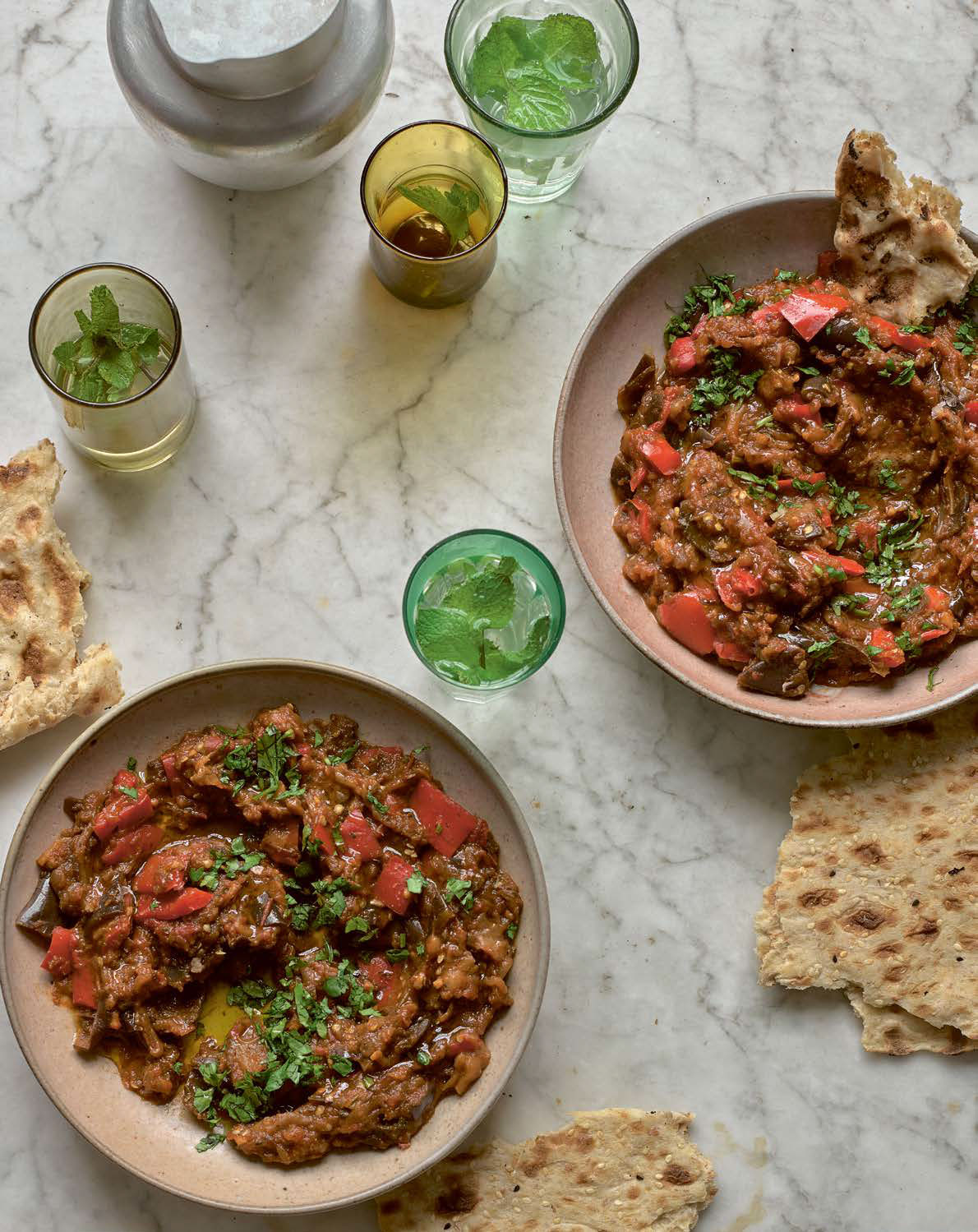
Aubergine Dip with Red Pepper (Zaalouk)
Nargisse Benkabbou · Madaq
Enjoy this Moroccan recipe by Nargisse Benkabbou for spiced aubergine dip with sweet red peppers and coriander as a tasty vegetarian side.
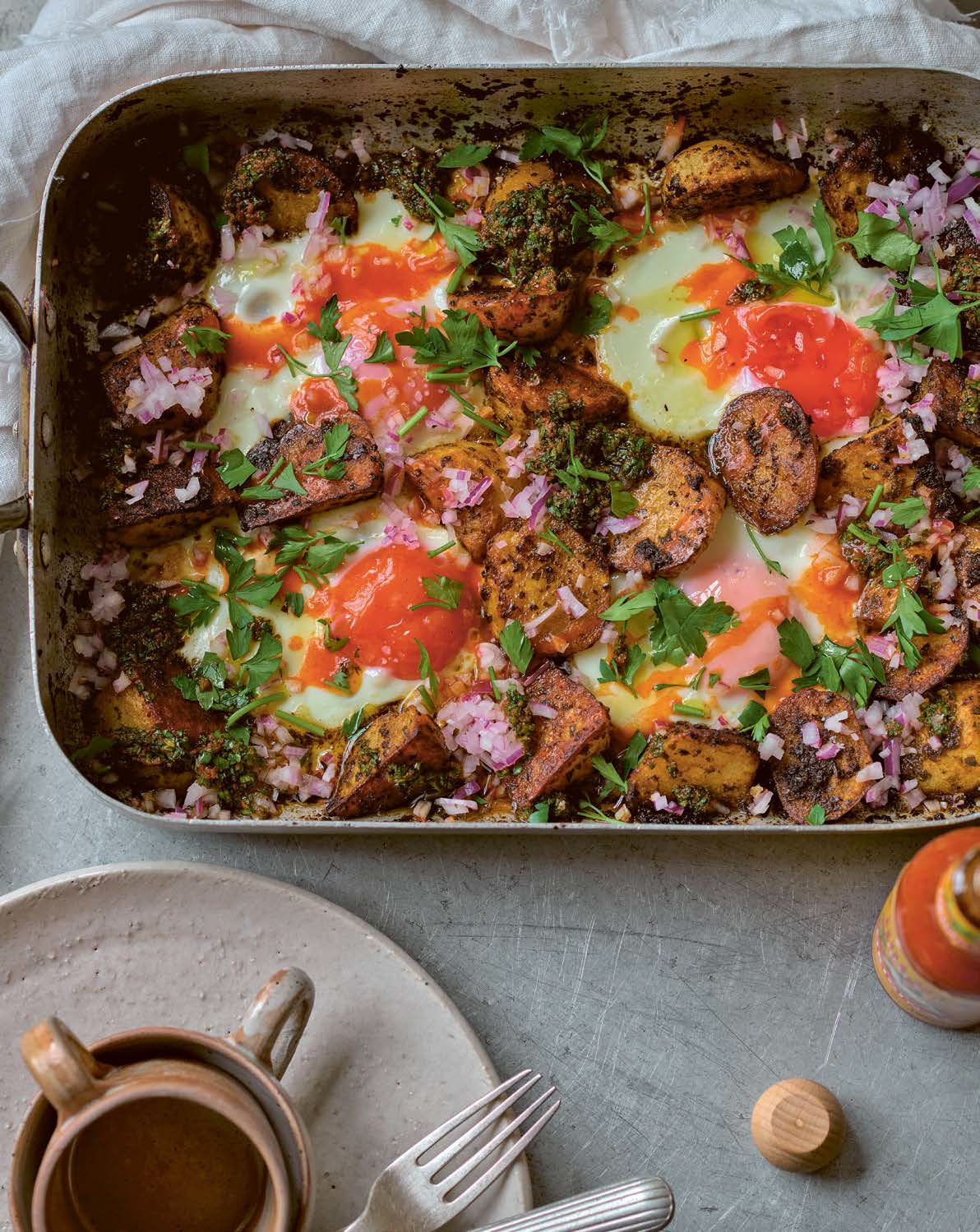
Baked Chermoula Potatoes with Eggs (Batata M’chermla)
Nargisse Benkabbou · Madaq
This crispy potato bake with eggs and Moroccan chermoula is an easy brunch recipe by Nargisse Benkabbou.

Beef Tagine With Green Beans and Olives
Nargisse Benkabbou · NYT Cooking
This hearty tagine is a staple family meal in many Moroccan homes, cooked in the traditional m’qualli style with garlic, ground ginger and ground turmeric. The comforting, earthy flavors of the meat, spices and green beans create a satisfying dinner perfect for sharing or meal prepping. The cozy, fragrant stew is packed with pops of flavor from tangy preserved lemon and briny olives. The green beans are added towards the end when the meat is almost cooked. For a variation, consider substituting or adding peas or chopped carrots, or a combination (see Tip).

Bissara (Creamy Fava Bean Purée)
Nargisse Benkabbou · NYT Cooking
Bissara is a comforting Moroccan dish made primarily with dried, split fava beans or dried split peas. Often enjoyed as a warming winter meal, it features a creamy, smooth texture and is typically seasoned with garlic, cumin, paprika and olive oil. It can be served as a dip, with bread, or thinned into a hearty soup. A staple in Moroccan cuisine and a popular street food, bissara is celebrated for its simplicity, satisfyingly smooth texture and rich, savory flavors.

Brownies With Coffee and Cardamom
Nargisse Benkabbou · NYT Cooking
These brownies are infused with the flavors of Arabic coffee, which traditionally include ground cardamom and often other spices such cinnamon, saffron or rose water. Proper bar chocolate or chips, not cocoa powder, gives the brownies a deep chocolate taste that is complemented by the coffee and spices. This recipe calls for an electric mixer, but you can also whisk the eggs and the sugar together. It will take a little time, but the results are worth it.

Carrot and Orange Salad
Nargisse Benkabbou · NYT Cooking
In Morocco, when temperatures soar, this refreshing dish is often served to help combat the heat at the beginning of a meal. The crispy carrots and sweet orange juice work to cleanse the palate and refresh the senses before enjoying heartier dishes. Beyond this dish’s refreshing qualities, its vibrant flavors and simple preparation make it perfect for summertime gatherings or as a light snack any time of year. Although the dish is referred to as a salad, its light consistency is closer to a chilled soup due to the orange juice. Make sure the shredded carrots and the orange juice are both chilled before mixing them with the rest of the ingredients, and chill the serving bowls too, if you like.

Chermoula Chicken Kebabs With Zucchini Salad
Nargisse Benkabbou · NYT Cooking
This recipe pairs chermoula, a classic Moroccan spiced and herbaceous marinade, with a crisp and bright shaved zucchini salad. A small amount of honey added to the marinade helps the chicken caramelize beautifully, whether it is cooked over the coals of a barbecue or under the high heat of an oven. When zucchini comes into contact with salt and acid, it begins to release its moisture and lose its characteristic crunch—so, to ensure the best texture, the salad should be dressed only at the last moment. The combination of fragrant chicken and lemony zucchini makes for a vibrant dinner with minimal active effort.

Chermoula Potato and Fish Stew
Nargisse Benkabbou · NYT Cooking
This dish features tender potatoes and flaky fish fillets simmered in Moroccan chermoula, a fragrant marinade bursting with fresh parsley, cilantro, lemon and garlic, and complemented by warm spices. In Moroccan cuisine, chermoula is used to marinate meat and fish before grilling; it can be also served as a sauce drizzled over vegetables or any number of cooked dishes. Here, the chermoula and potatoes are cooked first, creating a flavorful base for the fish, resulting in a satisfying one-pan meal. The optional harissa oil comes together in no time and is highly recommended if you like heat and crave complexity. To make the chermoula, this recipe calls for finely chopped herbs, but feel free to pulse the herbs and garlic in a food processor, if you prefer.

Chicken M’Hammer
Nargisse Benkabbou · NYT Cooking
M'hammer is a classic way of preparing tagine in Morocco in which roasted chicken legs are doused in a savory and lightly sweet sauce made of onions, paprika, cumin and turmeric. M’hammer, which means both reddish and grilled in Moroccan, refers to the ingredients as well as the way the dish is cooked. A generous amount of paprika is used in the marinade, giving it a brownish red color, and the chicken legs are cooked in the sauce, then charred under the broiler. Keep in mind that the color of your sauce will vary depending on the provenance and freshness of your spices. Serve this tagine with your side of choice: Bread would be the most traditional way to enjoy this deeply comforting dish, but couscous, rice or steamed greens would also work beautifully.

Chicken Pastilla
Nargisse Benkabbou · NYT Cooking
Pastilla, or B'stila in Moroccan Arabic, is one of the most iconic Moroccan dishes. Traditionally served during special occasions and festive gatherings, it masterfully balances sweet and savory notes, aromatic flavors and contrasting textures. While the original recipe calls for pigeon or squab encased in warqa (a thin, Moroccan pastry), this version uses chicken and phyllo pastry for a more accessible approach. The pie features layers of spiced chicken, caramelized onions, fluffy scrambled eggs and crunchy almonds. The chicken is cooked with the onions, then removed to allow the onions to caramelize while the almonds are toasted and eggs scrambled. However, all the layers can be prepared up to two days in advance; store them in sealed containers in the fridge, except for the almonds, which can be kept at room temperature. While the dusting of cinnamon sugar on top is optional, it’s a beloved tradition among many Moroccans, who typically enjoy an extra touch of sweetness.

Chickpea-Chicken Salad With Green Harissa Dressing
Nargisse Benkabbou · NYT Cooking
In the bustling streets of Morocco, you’ll often find vendors selling tayb o’hari, a traditional Moroccan street food of warm chickpeas served in paper cones and topped with fragrant cumin, sweet paprika and chile powder. This recipe is like a salad version of the beloved dish, with pre-cooked chicken added for heartiness, fresh tomatoes and olives for crunch, and a spicy green harissa dressing for brightness. Serve either warm or at room temperature with good bread.

Chocolate-Chip Oatmeal Cookies With Ras el Hanout
Nargisse Benkabbou · NYT Cooking
Everyone loves a good oatmeal cookie — and this one will take you straight to Morocco. Ras el hanout is a common Moroccan spice blend and translates to “top of the shop” in Moroccan Arabic, which suggests that the spices selected were the finest available in the merchant's shop at the moment. The fragrant and warming spices of ras el hanout pair beautifully with the sweetness of the oatmeal cookie and the sharpness of the dark chocolate. Because of the spice mixture, these cookies won't appear to brown much, so be careful not to overbake. You can use your favorite store-bought ras el hanout for your cookies or make your own blend (see tip).

Chorba
Nargisse Benkabbou · NYT Cooking
In Morocco, chorba refers to a soup that hasn’t been thickened with flour or cream, giving it a light and wholesome consistency. Traditionally, it’s enjoyed during winter and during Ramadan to break the fast. There are many versions of chorba, but this hearty, mostly hands-off version features lamb, chickpeas, potatoes and noodles seasoned with turmeric and saffron for a cozy and aromatic one-pot meal. The lamb adds loads of complex flavor, but feel free to use beef instead.

Chorba Beida (Chicken and Chickpea Soup)
Nargisse Benkabbou · NYT Cooking
Across North Africa, chorba simply means soup; a comforting broth built from meat or poultry, legumes and warm spices. This version, chorba beida (literally “white soup” in Arabic), comes from Algiers, Algeria, and stands out for its delicate balance of flavors. A mix of egg yolk and lemon juice stirred in at the end gives the broth its soft, tangy character and pale, creamy color. It’s a simple combination of chicken, onion, chickpeas and a touch of cinnamon, but it tastes like much more than the sum of its parts. Light yet deeply satisfying, it’s the kind of soup that brings comfort any time of year, especially with bread or dates on the side to round out the meal.

Cod With Caper-Orange Sauce
Nargisse Benkabbou · NYT Cooking
This simple fish dinner is all about contrast: tender, flaky white fish over a bed of spinach, paired with a vibrant, citrusy sauce that’s equal parts briny, sweet and gently spiced. The sauce comes together in minutes; olive oil gets infused with garlic, orange zest and turmeric, then balanced with vinegar, honey and plenty of chopped capers. The result is bright and aromatic, with just enough richness to coat the fish beautifully. The olive oil gives it a smooth, rounded depth, while a touch of butter ties everything together into a silky, golden sauce. It’s the kind of meal that feels fresh and nourishing, but still quick enough for a weeknight. Serve it with rice, couscous, or plenty of bread to soak up every last bit.

Creamy Tomato Spaghetti With Preserved Lemon
Nargisse Benkabbou · NYT Cooking
Something magical happens when preserved lemon and tomato are cooked together. In this quick and simple pasta, fragrant lemon permeates the tomato paste, creating a beautifully aromatic (and pantry-friendly) sauce with the addition of heavy cream. Spaghetti is tossed with the sauce, which ends up subtly sweet and yet bright and tangy — a comforting weeknight twist on the always beloved tomato pasta.

Crispy Halloumi Salad With Dates and Arugula
Nargisse Benkabbou · NYT Cooking
This salad tastes just as indulgent as it sounds and strikes the perfect balance of sweet, savory and nutty flavors. Crispy, golden halloumi adds a rich, salty contrast to the peppery arugula, while warm, soft and buttery dates and toasted almonds bring a delightful mix of sweetness and crunch. A light honey-Dijon vinaigrette ties everything together, adding just the right amount of brightness. For a seasonal touch, toss in juicy peaches during the summer or crisp apple slices in the colder months. To make it a heartier meal, toss in cooked grains like quinoa or cilantro rice for extra texture and substance. The best part about this recipe? It comes together in 20 minutes.

Crispy Halloumi With Tomatoes and White Beans
Nargisse Benkabbou · NYT Cooking
This vibrant vegetarian dish combines savory broiled halloumi, juicy cherry tomatoes and creamy white beans for a satisfying one-pan meal. When broiled, the halloumi becomes golden and crispy on the outside while staying soft and chewy on the inside, adding a deliciously hearty texture to each bite. Highly adaptable, this recipe allows for any canned, creamy white bean that you have on hand, like butter beans or navy beans, and thyme can be used in place of oregano. With a drizzle of olive oil, a touch of honey and fresh herbs, this recipe is perfect for a quick, meatless weeknight dinner that feels special.

Friday Couscous
Nargisse Benkabbou · NYT Cooking
In Morocco, couscous is traditionally served on Fridays, a holy day in Islam for prayer, community gatherings and family meals. Known as Friday couscous, this custom is deeply rooted in the country's cultural and religious traditions. Couscous refers to the entire dish — the couscous granules called smida which translates to semolina, and the flavorful stew of vegetables and meat called marka. Traditionally, the couscous granules are steamed until light and fluffy in a couscoussière, while the marka is made with a variety of vegetables, meat and aromatic spices. For this quicker, vegetable-only version, the couscous is cooked according to package instructions for convenience. Ideal for busy weeknights or meal prep, by the time the vegetables are fully cooked, the broth, which is poured over the couscous to moisten it, becomes richly infused with the spices and deep, savory flavors of the vegetables. Any remaining broth is often served on the side to be enjoyed on its own or added to th

Frosted Carrot Cake With Ras el Hanout
Nargisse Benkabbou · NYT Cooking
In this twist on the classic carrot cake, ras el hanout, a vibrant Moroccan spice blend, replaces the recipe’s typical spices. Translating from “top of the shop” in Arabic, ras el hanout refers to a blend of the finest available spices in the shop. Its warm, complex flavor, rich with cinnamon, ginger and coriander, adds a delightful kick and fragrance that perfectly complement the tangy cream cheese frosting.

Harissa and Miso Spaghetti
Nargisse Benkabbou · NYT Cooking
In this recipe, harissa and miso turn spaghetti into a comforting meal reminiscent of carbonara. Together, these two condiments bring sweetness, a touch of heat and just enough umami to call for a second serving. The bread crumbs are optional but they are totally recommended; they can be prepared in advance and kept for two days in a sealed container.

Harissa Puttanesca With Toasted Almonds
Nargisse Benkabbou · NYT Cooking
Pasta puttanesca, a classic Italian dish, gets a vibrant makeover with the addition of harissa, a spiced North African chile paste. In this version, harissa replaces the usual crushed red pepper, adding a smoky depth and complex warmth. Olives, anchovies and capers, classic puttanesca ingredients, deliver their signature briny punch, while toasted almonds add a satisfying crunch and a welcome protein boost. Perfect for busy weeknights, this dish made with pantry staples is both flavorful and comforting. While the recipe calls for spaghetti, any other type of long pasta will work just as well.

Harissa-Maple Mushrooms
Nargisse Benkabbou · NYT Cooking
This quick and easy dish transforms humble mushrooms into a flavorful centerpiece. As they roast, the mushrooms develop a rich, concentrated flavor, with the delightful contrast of tender interiors and crispy edges. The heat of the harissa and sweetness of the maple syrup perfectly complement the mushrooms, while the yogurt offers a cooling counterpoint. Serve as a starter with flatbread or as a flavorful accompaniment to beef skewers, or roast chicken or turkey.

Kaab el Ghazal (Gazelle Horn Cookies)
Nargisse Benkabbou · NYT Cooking
Kaab el ghazal, also known as gazelle horns, are cookies beloved by many Moroccans and are typically shaped like a crescent, mimicking the curve of a gazelle's horn. They are made from a fragrant almond-based dough, flavored with orange blossom water and a hint of cinnamon. In this version, the dough is coated in sesame seeds before baking, giving these gluten-free cookies a distinctive nutty flavor and a subtle chewy texture that contrasts beautifully with the soft, aromatic filling inside. Often enjoyed with tea, these cookies are a staple during special occasions and celebrations such as Eid al Fitr, which marks the end of Ramadan. Traditionally, blanched almonds are ground at home in a food processor, but this recipe simplifies the process by calling for store-bought almond flour.

Kefta Tagine With Jalapeño Yogurt Sauce
Nargisse Benkabbou · NYT Cooking
This tagine is a classic Moroccan dish of kefta, or minced meat, simmered in a gently spiced tomato sauce until tender and full of flavor. The base is built from simple, everyday ingredients — tomatoes, onions, garlic, paprika, cumin and herbs — that come together to create something deeply comforting. In Morocco, it’s common to crack eggs directly into the tagine alongside the meatballs as they finish cooking. Just move a few meatballs around to make space for the eggs before adding them. You can make it that way or skip the meat entirely and go for an all-egg version, similar to shakshuka. In that case, add the eggs at the same time you would the meatballs, cover and cook until they’re done to your liking. Either way, it’s a dish meant to be shared and scooped up with plenty of warm bread.

Likama Roasted Salmon With Cabbage Salad
Nargisse Benkabbou · NYT Cooking
Traditionally used to season tagines, roasts or grilled meats, likama (meaning spices in Moroccan Arabic) combines common spices like cumin and coriander with the warmth of ginger and paprika for a touch of sweetness. In this recipe, likama is used as the main seasoning to coat a salmon fillet for a burst of Moroccan flavor that pairs beautifully with a fresh, quick and crunchy cabbage salad. This meal is ready in under 30 minutes, but the salmon can be marinated, if desired, for extra depth of flavor. The snappy salmon and salad can be enjoyed on their own; for a more filling option, feel free to add rice or quinoa.

Loubia (White Bean and Tomato Stew)
Nargisse Benkabbou · NYT Cooking
This simple, yet hearty, vegetarian Moroccan stew is just as nourishing as it is comforting. White beans, onions and tomatoes simmer with paprika, ginger and turmeric, infusing the buttery white beans with sweet and earthy flavors. The optional parsley-vinegar oil adds a tangy kick that beautifully complements the fragrant beans. Typically, this stew is enjoyed on its own with plenty of bread and olive oil, but you could also serve it as a hearty breakfast with fried eggs and toast, or for lunch or dinner alongside grilled meat or roast chicken. It’s the kind of meal that you can make on a Sunday that will keep you full and satisfied all week long.

Merguez and Kale Pasta
Nargisse Benkabbou · NYT Cooking
To replicate the fragrant and earthy flavors of merguez, a traditional North African sausage, this recipe calls for browning ground beef with plenty of fennel, cumin and coriander seeds, paprika and dried mint. Stirring in a jar of marinara results in a hearty, satisfying sauce much like classic Bolognese but with an added layer of warm, aromatic spices. If using store-bought merguez (which is often made with lamb and can be spicy depending on your tolerance), remember to remove the casing. Ribbon-like pasta shapes like linguine, spaghetti or tagliatelle work best with the sauce, but feel free to use what’s on hand.

Miso Brown Butter Fried Rice
Nargisse Benkabbou · NYT Cooking
This miso and egg fried rice is a "no-time-to-cook" hero, a quick take on a classic that delivers a surprising depth of flavor. While traditional fried rice usually relies on neutral-tasting oil and high-heat, this version leans into the French technique of beurre noisette (brown butter). As the butter’s milk solids toast and the water evaporates, they create a nutty, toasted foundation that perfectly complements the salty, fermented taste of white miso. The addition of a little honey bridges the gap between the two, resulting in a savory-sweet glaze that clings to every grain of rice. A generous handful of scallions adds the needed kick of freshness, cutting through the intensity of the butter and miso. It is the kind of pantry-staple meal that feels sophisticated enough for a late-night dinner but is humble enough to eat straight from the pan.
Moroccan Eggs Florentine with Harissa Hollandaise
Nargisse Benkabbou · Casablanca: My Moroccan Food
I love eggs. Fried, scrambled, Benedict or Royale, anything with a runny egg yolk has the potential to make me unreasonably excited. I can’t tell you how much I adore my Moroccan take on eggs Florentine with harissa hollandaise! It’s interesting how a bit of ras el hanout and harissa can give a unique twist to such a classic dish. It certainly proves that a little goes a long way. The harissa hollandaise is so tasty and easy to prepare, I always make a double batch and use it for poached fish or grilled asparagus the next day.

Moroccan Nachos
Nargisse Benkabbou · NYT Cooking
This Moroccan twist on the much-loved appetizer features kefta, a ground beef (or lamb) mixture seasoned with parsley, cilantro, mint, paprika and cumin, and a spicy-sweet harissa salsa. Both give these nachos an unusual kick that’s as festive as it is comforting. Creamy guacamole, bright with lemon zest and juice, balances everything out. To save time, cook the kefta mixture and prepare the salsa in advance. Using a combination of fresh and canned tomatoes creates a not-too-runny and not-too-chunky consistency that’s ideal for drizzling over a tray of nachos. That said, feel free to swap the fresh tomatoes for half a 14-ounce can crushed tomatoes or vice versa.

One-Pot Chermoula Shrimp and Orzo
Nargisse Benkabbou · NYT Cooking
Traditionally used to season seafood and vegetables, chermoula is a Moroccan marinade made of herbs and spices like cilantro, parsley, paprika and cumin. In this one-pot recipe, the orzo cooks in a combination of chermoula and stock, so the orzo is seasoned all the way through. In the last few minutes of cooking, just stir the shrimp into the orzo to cook, and you have a quick and easy, yet exciting, dinner. Feel free to use a protein of your choice instead of shrimp, but adjust cook times accordingly. Also, consider making a big batch of chermoula and keep it in the fridge to use as a marinade, a dressing on salads or a condiment for sandwiches.

Ras el Hanout Chickpea and Spinach Stew
Nargisse Benkabbou · NYT Cooking
This warming one-pot stew delivers the depth and comfort of a long-simmered meal in a fraction of the time. Chickpeas and spinach braise in a richly spiced tomato base, creating layers of warmth and complexity. Ras el hanout, a fragrant Moroccan spice blend, gives the dish its signature aromatic depth; gently toasted tomato paste intensifies its flavor even further. A splash of soy sauce provides an unexpected but welcome hit of umami, rounding out the dish with a richness that mimics a stew that's been bubbling away for hours. Served with a generous spoonful of yogurt (or a squeeze of lemon) and a drizzle of harissa oil to cut through the richness, it's perfect with crusty bread or spooned over grains like rice, barley, bulgur or quinoa.

Ras el Hanout Roasted Vegetables
Nargisse Benkabbou · NYT Cooking
This flavorful dish makes a versatile side that can complement a variety of main courses. Infused with ras el hanout (see Tip), a warm and aromatic spice blend from North Africa, it’s ideal for sharing or preparing ahead of a busy week. Roasting the vegetables enhances their natural sweetness, creating a crispy exterior and a tender, melt-in-your-mouth interior. Cutting root vegetables into evenly sized pieces ensures they will cook at the same rate while maximizing surface area, allowing for enhanced flavor absorption and more caramelization. For carrots and parsnips, cut the thinner ends into chunks, then halve the thicker ends lengthwise before cutting into chunks.

Roasted Cauliflower With Sweet Chermoula and Yogurt
Nargisse Benkabbou · NYT Cooking
Chermoula is a common Moroccan marinade traditionally used to season dishes such as roasted vegetables and fish. This is a sweeter version of the sauce with extra lemon juice and honey to bring out the nuances of the herbs and spices. Serve this dish as a main with flatbread or as a side with roasted chicken or a grilled steak. Make a large batch of the sweet chermoula and keep it in the fridge for up to 3 days. You can use it to season roasted vegetables, cooked proteins and drizzle over salads or grain bowls.

Roasted Chicken With Fennel and Peaches
Nargisse Benkabbou · NYT Cooking
This sheet-pan meal brings together savory spices and ripe summer fruit in a way that feels both unexpected and deeply comforting. Chicken thighs roast until golden alongside fennel that softens and caramelizes, while peach wedges, added toward the end of the cooking, develop a jammy finish under the heat. A touch of honey, a splash of vinegar and Moroccan-inspired spices bring warmth and balance, with minimal prep and maximum reward. This recipe is flexible when it comes to fruit: Try swapping in nectarines or plums, depending on what’s available. Cooked entirely on a sheet pan and finished under the broiler for extra char, this unfussy, generous meal is just right for laid-back summer dinners. Serve it with couscous, bulgur or crusty bread to soak up the juices.

Savory Feta Turnovers
Nargisse Benkabbou · NYT Cooking
Inspired by the Greek tradition of frying a whole block of feta, these versatile flaky pastries offer a delightful blend of salty, tangy and sweet flavors. The creamy feta and zesty preserved lemon create a harmonious filling that's both comforting and indulgent. With just a handful of ingredients (including handy store-bought puff pastry), these turnovers are a quick and easy starter perfect for dinner parties or a casual weeknight gathering. They may also be enjoyed as a snack or on-the-go meal at room temperature. Store leftovers in an airtight container or bag in the refrigerator for up to 3 days, and reheat at 400 degrees for 10 minutes. And for a bite-sized treat, consider turning them into finger food appetizers by using smaller pastry sheets and dividing the filling accordingly.

Scallion Chicken and Rice for Two
Nargisse Benkabbou · NYT Cooking
This one-pan recipe delivers a chicken dinner for two that’s built on three main ingredients: scallions, chicken and rice. The scallions are used in two ways, cooked down until soft and sweet to form the base, then scattered fresh at the end for a sharp, allium lift. Chicken thighs are seared until golden, slowly rendering their fat, which becomes the backbone of the dish. That fat coats the rice as it cooks, giving each grain a rich, savory depth. As it simmers, the rice absorbs all those juices, turning tender and fragrant. It’s simple, comforting cooking, where the main ingredients are given the space to really shine.

Skillet Chicken With Turmeric and Orange
Nargisse Benkabbou · NYT Cooking
This recipe is inspired by ingredients that are commonly used in Moroccan cuisine: orange and ground turmeric. The combination of both ingredients hits all the notes: savory, sweet, fragrant and lightly spiced. Enjoy this chicken with a green salad, over rice or as a filling in a sandwich.

T’chicha (Barley and Tomato Soup)
Nargisse Benkabbou · NYT Cooking
This simple soup, which comes from the Amazigh, or Berber, community of North Africa, perfectly demonstrates how just a few ingredients can create a wholesome and comforting meal. Pearl barley has a distinctive taste and texture that once cooked, naturally thickens soups and gives them a creamy consistency. The sweetness of the paprika and tomatoes against the boldness of the thyme and pearl barley give this soup its special flavor and appeal. The dried thyme is added at the end of the cooking process to preserve its aromas. Feel free to customize your t’chicha by adding your choice of chopped vegetables such as eggplant or zucchini and proteins such as cooked chicken or beef.

Tomato and Peach Salad With Berkoukes
Nargisse Benkabbou · NYT Cooking
This refreshing summer salad of tomatoes, peaches and olives nestled in arugula, mint, cilantro and parsley comes together in less than 30 minutes and gets its sweet tang from a simple honey-vinegar dressing. While almonds provide crunch, it’s the berkoukes that bring that fun, chewy textural surprise. Also known as berkoukech or m’hamsa, it is a traditional North African ingredient particularly popular in Morocco and Algeria that consists of small, round pellets similar to large couscous pearls or tiny pasta balls. Typically made from semolina flour and water, the spheres are dried and then sometimes steamed before use; here they’re quickly toasted in oil, boiled and cooled. Though they’re traditionally added to fragrant stews and soups, this recipe showcases their versatility. The light, satisfying texture of berkoukes perfectly complements the fresh, juicy fruits and peppery arugula, creating an eclectic dish that is great on its own or as an accompaniment to grilled chicken, shrimp
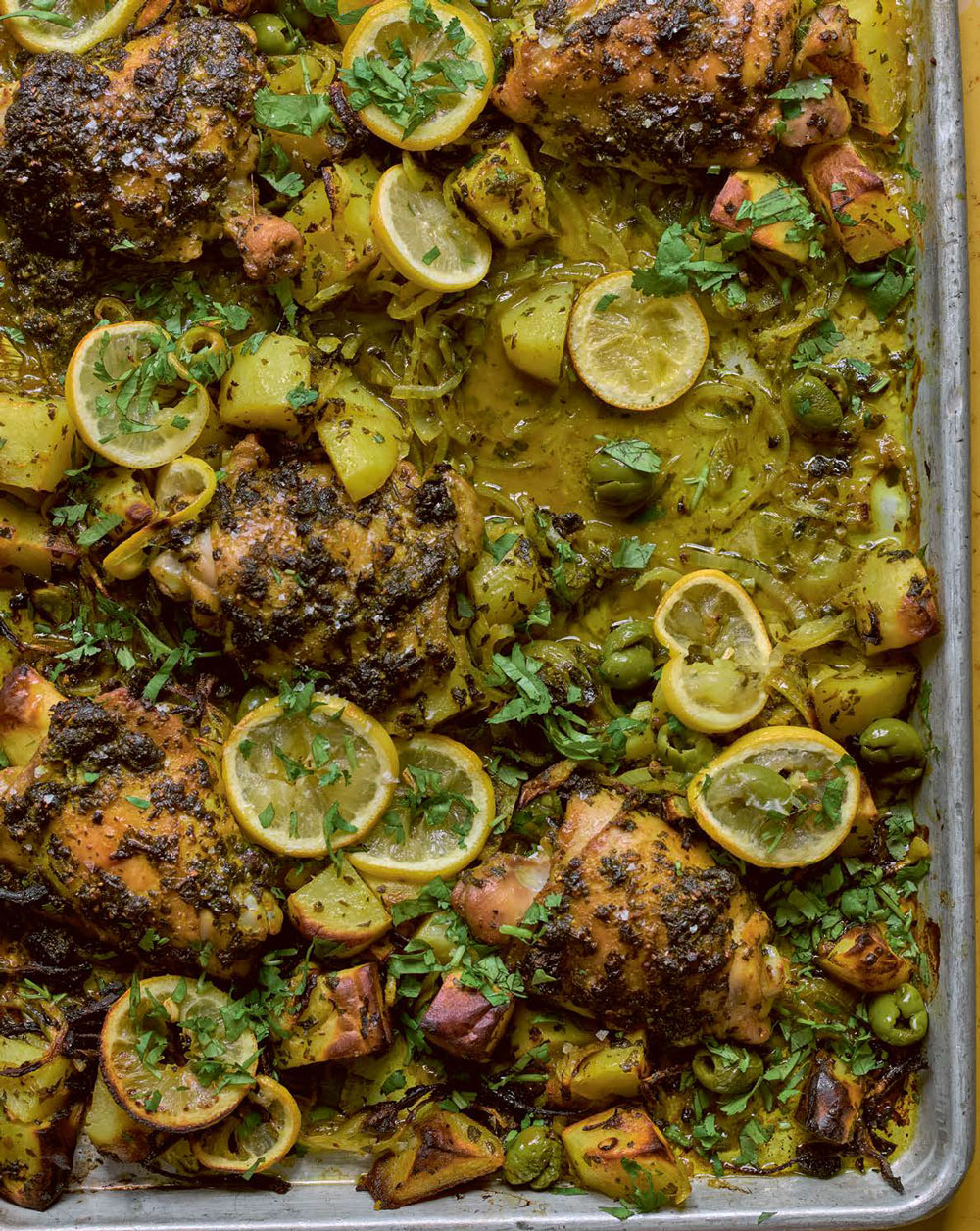
Traybake Chicken with Potatoes, Preserved Lemon and Olives
Nargisse Benkabbou · Madaq
This recipe for a traybake version of Moroccan chicken tagine by Nargisse Benkabbou makes an easy and delicious dinner.
Traybake Chicken with Spiced Grapes, Chickpeas and Thyme
Nargisse Benkabbou · Madaq
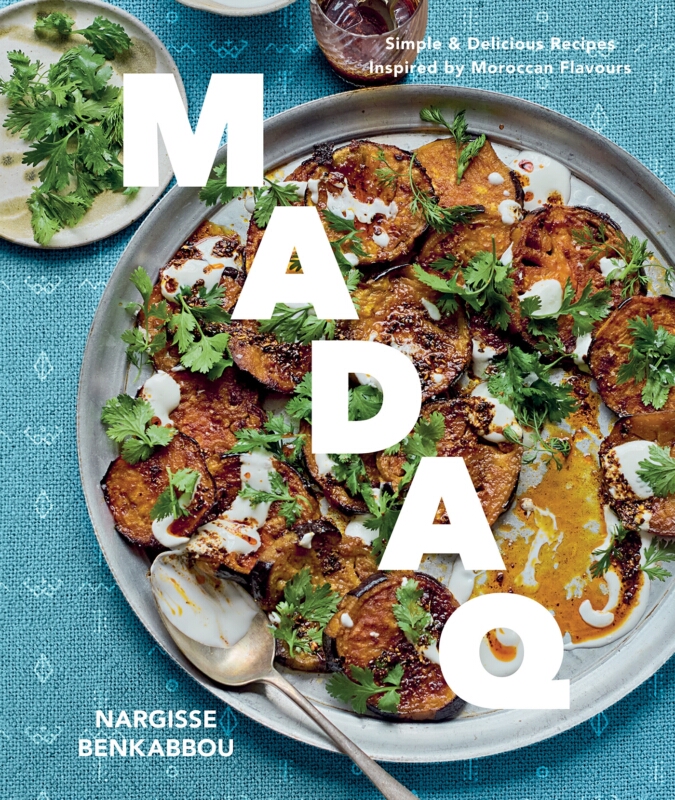
Traybake dinners are one of the tricks that I often turn to in order to make my life easier. To me, these recipes are about packing as many flavours and textures as possible into one pan and letting the oven do its job. A roasted chicken may be the ultimate comfort food, and many of my traybake dinners feature chicken. I love how the juices and fat that the chicken releases during the roasting process meld with the seasoning to create a rich, satisfying sauce. As soon as I take the pan out of the oven, I dip a big chunk of bread into the warm sauce – it is, without doubt, the best part. This recipe is a traybake version of a grape, chickpea, and thyme chicken tagine. The grapes, added towards the end of cooking, caramelize in the hot juices and warm spices to create a delicious burst of flavour that beautifully complements the thyme. My favourite way to enjoy this dish is with a dollop of Greek yogurt and plenty of bread for sopping up the cooking juices.

Turmeric Chicken Skewers With Green Olive Yogurt
Nargisse Benkabbou · NYT Cooking
These skewers offer a simple yet delicious way to bring the bold flavors of Moroccan cuisine to your table using a handful of spices. But what truly sets this dish apart is the green olive yogurt sauce; the creamy, tangy addition ties everything together. Inspired by the way olives are paired with chicken in Moroccan tagines, this briny sauce balances the warm spices. It's perfect for gatherings but just as great for busy weeknights, and while grilling adds depth, a grill pan works beautifully, too. Serve with a simple tomato salad, roasted or grilled vegetables or flatbread.

Weeknight Chicken Tagine
Nargisse Benkabbou · NYT Cooking
Making a tagine might not be the most labor-intensive task, but it can definitely be time-consuming. In this non-traditional recipe, you'll enjoy all the classic flavors of a m'qualli chicken tagine but in less than an hour. Made with preserved lemon and olives, this dish is perfect for satisfying your mid-week Moroccan food cravings. M’qualli tagine refers to one of the ways Moroccan tagines are traditionally seasoned, incorporating ground ginger, ground turmeric and garlic, resulting in a rich, dark yellow sauce. Don’t hesitate to adjust the consistency of your tagine by adding a couple tablespoons of water or stock if it’s too dry, or letting it simmer for a few extra minutes for a thicker sauce. Serve it with bread for a more traditional experience (such as flatbreads or crusty breads like a baguette), but rice or potatoes will also work.

Zaalouk (Eggplant and Tomato Salad)
Nargisse Benkabbou · NYT Cooking
Zaalouk is a Moroccan cooked salad, similar to baba ghanouj and moutabal, that highlights eggplant in all its glory. Just a few ingredients come together to create a lightly aromatic, herby and melt-in-your mouth dip. There are many ways to prepare zaalouk; what varies is the way in which the eggplant is cooked. It can be steamed, boiled, chargrilled, baked or, as in this recipe, simply cooked on the stovetop with the rest of the ingredients. Zaalouk is commonly served as a starter, however, feel free to enjoy it as a side or as a spread in a tasty sandwich with grilled meat or vegetables.