
Joshua McFadden
Recipes
Creamy Mushroom, Potato, and Wild Rice Soup with Paprika and Dill
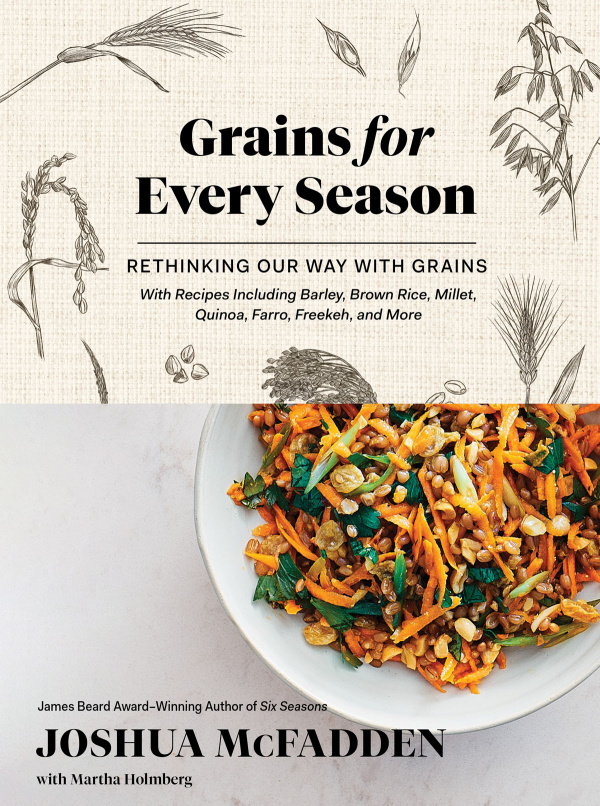
Joshua McFadden · Grains For Every Season
Gray day outside? Need something to lift your spirits? This will do it. While comforting and familiar — it’s cream of mushroom soup, after all — this soup elevates the typical creamy bowl with intriguing herbal notes, a smokiness from the wild rice and smoked paprika, and a robust Eastern European flavor palette with caraway, paprika, and dill. As always, if you have access to a mix of wild mushrooms, use them, but basic creminis (which are baby portobellos, did ya know?) or white button mushrooms are totally fine.
Spaghetti with Swiss Chard, Pine Nuts, Raisins, and Chiles
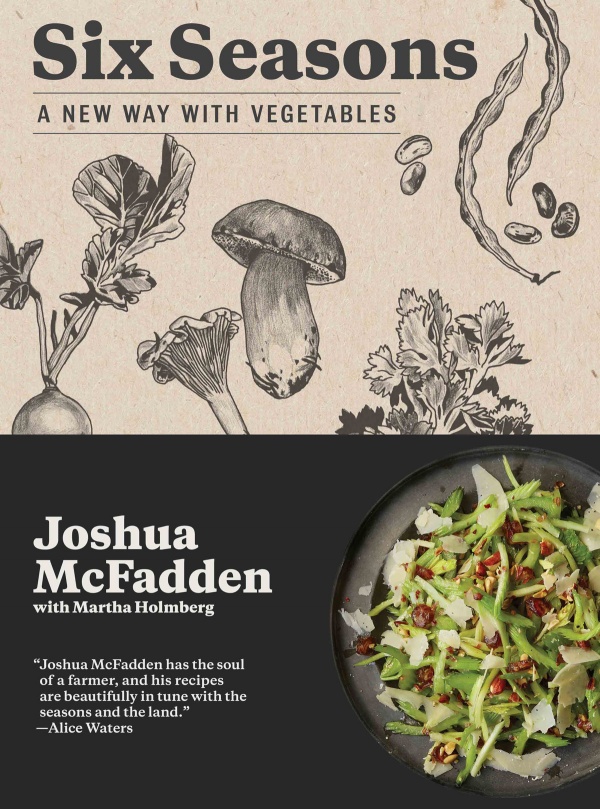
Joshua McFadden · Six Seasons: A New Way With Vegetables
All these ingredients come together to create a simple, sweet, salty, spicy, earthy pasta that is dead simple to make. Leftovers make a great frittata: warm them in an ovenproof skillet, add some cheese, pour in beaten eggs, and bake. The bits of pasta that stick out will get crunchy in the oven..
White Bolognese with Cream
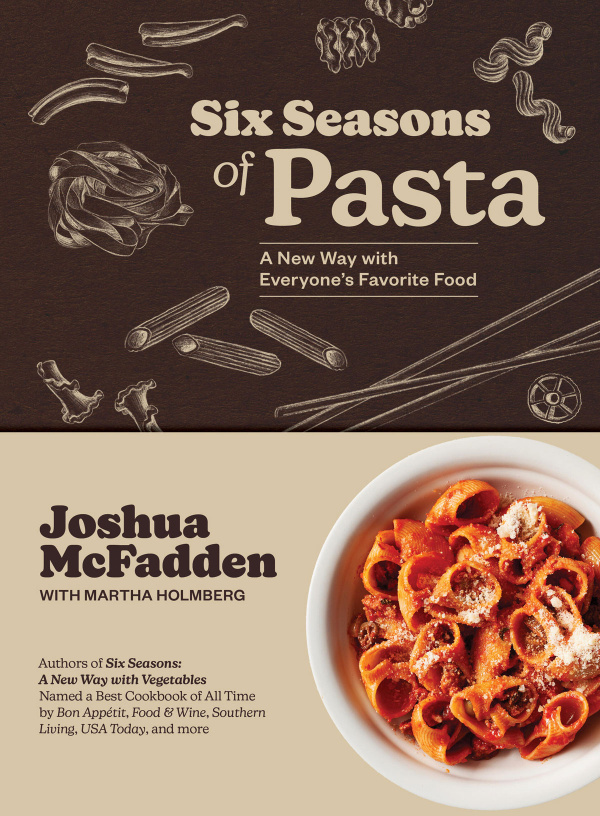
Joshua McFadden · Six Seasons of Pasta
As with so many classic dishes, ragu alla Bolognese (the parent to this ragu) comes with variants, misconceptions, and many strong opinions. The primary debate is whether Bolognese sauce is a tomato sauce or not. From what I know, “not” is the most accurate answer, though outside of Italy, ragu alla Bolognese has somehow morphed into what might be called “spaghetti sauce,” a very tomatoey sauce with ground meat. Most traditional Italian versions of ragu alla Bolognese focus on the meats, which can include a range—beef, pork, veal, prosciutto. The sauce generally includes finely ground meats and finely chopped soffritto, and the flavor is intense and luxurious. In recipes that include tomato—whether as paste, canned, or both—it is not the principal ingredient. The no-tomato version is often called white or bianco. While I’m all for tradition, I also like to push the edges a bit, which is why this version of white Bolognese, inspired by one made by Australian food writer Odette William