
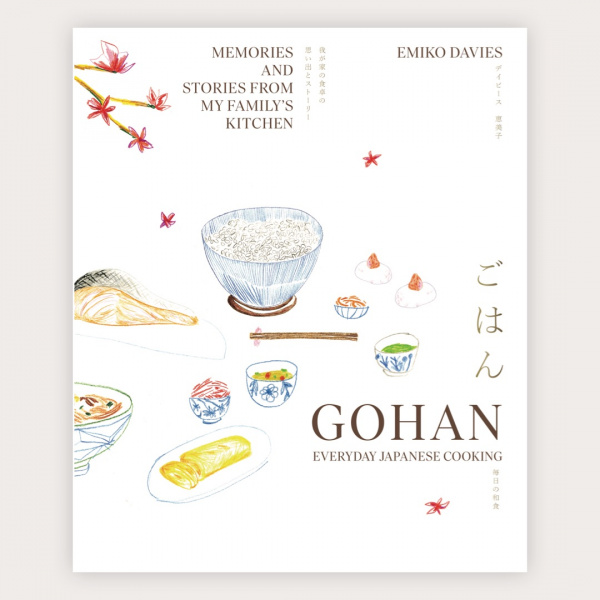
Shiitake and Chicken Rice
I absolutely love this way of cooking rice, where you simply put all the ingredients into the one pot together, so the rice absorbs all the flavours and the chicken comes out incredibly tender. It is my ideal comfort food, both to prepare and to eat, as it so easy to do both! Literally meaning ‘cooked with rice’, you can actually put anything you like in this — it is usually a dish where you might find many autumnal (fall) vegetables like mushrooms and chestnuts, as it’s a favourite to make with shinmai (new season rice), which is harvested in the autumn. Although I find it hard to go past this classic shiitake and chicken combination, you could use aburaage or fried beancurd, bamboo shoots, clams or gobo (burdock root — although it can be hard to find outside of Japan). For a bit of richness, add a knob of butter before mixing it all together. To make this vegetarian/vegan, simply omit the chicken and perhaps add a few more different mushrooms or another favourite vegetable. Any lefto
Makes
Be the first to log a make
No makes logged yet — log yours using the button above.
You may also like
Ziti Al Forno - Baked Ziti
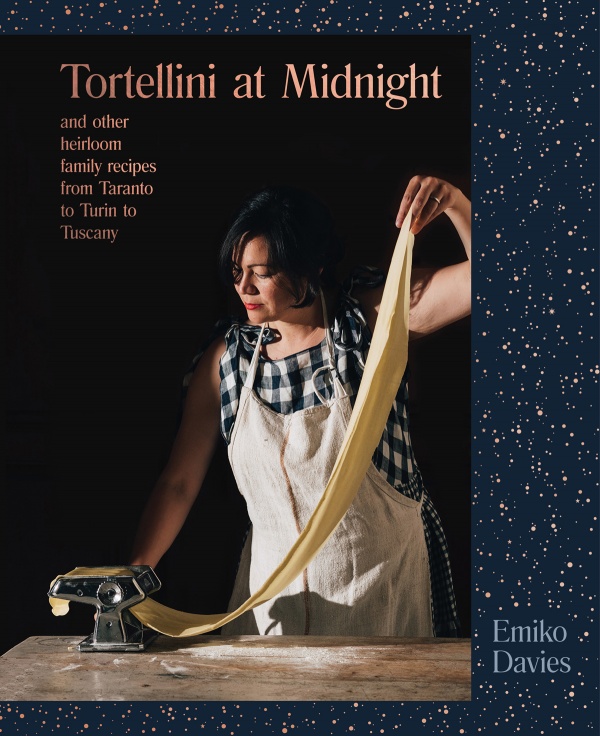
Emiko Davies · Tortellini At Midnight
My mother-in-law Angela’s family’s version of this southern Italian classic was always a rather simple but satisfying one: tomato sauce flavoured with garlic and basil, layered with cheese (scamorza was always their favourite, but you can also use mozzarella) and, of course, ziti: long, thick tubes of pasta that my daughter likes to pretend are drumsticks – they’re very effective when beating on pots. But the way you’ll often find it alla Pugliese is with the hearty additions of lots of little polpettine (hazel-nutsized meatballs), or sometimes even slices of hard-boiled egg, sausage, prosciutto or mortadella. I like to stick to the family’s simple version with tomato, basil and scamorza for a weeknight meal, but Marco prefers it with the addition of pork and fennel sausages, crumbled then rolled into small pieces, like quick meatballs. For US cup measures, use the toggle at the top of the ingredients list.
Pinza di Pane
Emiko Davies · Cinnamon and Salt
This is an ancient recipe — possibly the most ancient of the Venetian dessert repertoire — that has a special role for the Epiphany, on 6th January, and the start of Venice’s Carnival season. As old traditions went, young singles on this day had to eat a slice of pinza in seven different houses to guarantee getting married within the year. As it is a homely dish, and one that makes good use of leftovers or whatever you have on hand, you can find pinza made with all kinds of grains as the base — polenta is very common, but also buckwheat, regular flour or stale bread. I have a soft spot for bread puddings, and this is my favourite version, closely followed by the polenta one. Like the Pan del doge di Zaira, you’ll find it studded with dried fruit (usually figs and sultanas), which sometimes may have been the only sweet contribution in this pudding, and nuts of all kinds, some sort of liquid, be it milk with a splash of white wine, grappa or Alkermes, but also an array of spices such as

Cenci
Emiko Davies · Florentine
Cenci literally means ‘rags’, which describes the crimp-edged, twisted shapes of this deep-fried pastry that appears in Florentine bakery shop windows during the wintery month of Carnevale (Carnival). Many Tuscans get that nostalgic look in their eye when they eat cenci, as it’s a reminder of dressing up in masks and costumes as a child and biting into these warm, crunchy pastries.
Chicken Meatballs
Emiko Davies · The Japanese Pantry
You can often order tsukune in a yakitori shop, along with a variety of other chicken cuts grilled on sticks over coals. It might come as one long patty or smaller balls piled onto the stick; or, sometimes, without even the sticks and as flatter patties. In some places the ground chicken might have crunchy cartilage through it (chicken cartilage is a valuable food in Japan, both for its texture and its richness in collagen). But at home it’s much easier to make these as regular meatballs, simply pan-fried and then finished in a characteristic teriyaki sauce. These are great on their own as an appetiser, or turn them into the main meal with rice, miso soup and some pickles. They’re also perfect in bento boxes or added to a donburi. VARIATIONS: Use any white fish instead of chicken – because the fish is softer, it will make flatter patties. For a vegan version, use fork-mashed tofu (but not silken tofu, which is too moist). This is basically a tofu fritter known a ganmodoki, and it usu
Avocado with Sesame Dressing
Emiko Davies · The Japanese Pantry
This sesame sauce is one of the classics of Japanese home cooking, and can be used to dress up any simply blanched or raw vegetables. My grandmother would usually do this with spinach. It’s also delicious with blanched broccoli, green beans, asparagus, raw grated carrots and even non-Japanese produce such as avocado. I also love this on a chilled wobbly block of tofu. For the gomaae, make sure you’re using toasted sesame seeds. If, by chance, you’ve got raw sesame seeds, you’ll need to toast them to a hazelnut-brown colour first. While the gomaae can be made in advance, you want to dice and dress the avocado right before serving.