
Samin Nosrat
Food writer
Books & Sources
Recipes

Abgoosht (Persian Lamb and Chickpea Stew)
Samin Nosrat · NYT Cooking
Iran’s most beloved and ubiquitous peasant dish, abgoosht (or “meat water”) is made with inexpensive, bony cuts of meat, which take a back seat to the broth and the sheer ceremony involved in serving it all. Once the stew is cooked, it is divided into two parts: The meat, potatoes and beans are pulled from the stock and mashed into a meat paste, goosht kubideh. Simple to prepare, the dish turns into an occasion for a gathering, as the broth and meat paste are served with piles of warm flatbread, pickles and fresh herbs, palate cleansers that offset the richness of the dish.

Arroz con Gandules (Puerto Rican Rice With Pigeon Peas)
Samin Nosrat · NYT Cooking
Every step and ingredient adds something important to this recipe from the Puerto Rican-born chef and writer Reina Gascón-López. Annatto seeds steeped in oil give the rice its signature marigold hue. The banana leaf imparts a subtle tropical aroma to the rice as it cooks. Olives, ham, beer and peppers with their brine offer salt, fat, acid, umami and a bright pop of color. The sheer number of flavors layered into this dish make it a delight to unpack. The most exhilarating layer is the last one: pegao, the crisp, glassy shards of rice at the bottom of the pot. Gandules (pigeon peas) make this version of rice and beans distinctly Caribbean. Ms. Gascón-López prefers to start with dry gandules, which her family sometimes ships to her from Puerto Rico, then flavors the pot with some sofrito, a bay leaf or two and a smoked pork neck. If you have trouble finding dry pigeon peas, they are often labeled as toor at Indian grocery stores. Samin Nosrat

Ash Reshteh (Persian Greens, Bean and Noodle Soup)
Samin Nosrat · NYT Cooking
Ash reshteh’s flavor is defined by two uniquely Persian ingredients: reshteh and kashk. The soup, served during the festivities leading up to Nowruz, the Persian New Year, wouldn’t be the same without the soup noodles called reshteh, which are saltier and starchier than Italian noodles — though you could substitute linguine in a pinch. Kashk, a form of drained yogurt or whey, is saltier and more sour than Greek yogurt or sour cream. More like feta than yogurt, liquid kashk gives ash its distinct, satisfying flavor. If you can’t find liquid kashk, buy it powdered and hydrate it with warm water to the consistency of sour cream. Look for both items at a Middle Eastern grocery.

Ashure Cereal
Samin Nosrat · NYT Cooking
According to legend, when his Ark made landfall, Noah’s family threw whatever was left in the larder into a pot and transformed it into ashure, a celebratory pudding of grains, nuts, seeds and dried fruits. The cereal is eaten throughout the Middle East, but especially in Turkey, where the dish somehow transcends typical religious tensions and holds significance for Jews, Christians and Muslims alike. But according to Sarit Packer, co-chef of London’s Honey & Co. restaurant, “It’s actually quite disgusting.” Ashure is essentially a porridge, so when it cools down, it gets stiff and gloopy, like cold oatmeal. Guided by her memory of the sugary, crisp grain cereals she tasted when she first visited the United States as a child, Ms. Packer tweaked the recipe. She made a honey syrup spiked with all of the classic ashure flavorings, including cinnamon, cardamom and a spice called mahaleb (available at your local Middle Eastern grocery store or online). She drizzled the syrup over a mixture

Basil Pesto
Samin Nosrat · NYT Cooking
Though pesto means “pounded” in Italian, the rush of modern life has taken the recipe out of the mortar and into the blender (or food processor) for most of us. This version, adapted from a Ligurian woman, Lidia Caveri, gently encourages (but does not require) a return to the mortar. The constant rap of the pestle will jostle the nuts, basil and garlic into an emulsified base. Add the oil and cheese to get an impossibly thick, creamy sauce that clings to pasta unlike any machine-made counterpart could. Though you might think otherwise, the pesto will come together before the pasta water has a chance to boil. And as a bonus, there'll be no blender to wash up afterward. Samin Nosrat

Brussels Sprouts in Saor
Samin Nosrat · NYT Cooking
This recipe is inspired by sarde in saor, a classic Venetian dish of fried sardines topped with sautéed onions, pine nuts, saffron and wine-soaked raisins balanced with a little sugar and vinegar. The saor, or sweet and sour topping, makes an ideal accompaniment to roasted brussels sprouts — served either hot or at room temperature — though it would work equally well on any vegetable side, be it green beans, cauliflower or broccoli. With lemon, vinegar and wine among its ingredients, this dish brings a welcome vividness to the Thanksgiving table — or any meal — where bright, acidic offerings are few and far between.

Buttermilk-Brined Roast Chicken
Samin Nosrat · NYT Cooking
This recipe, adapted from Samin Nosrat's "Salt Fat Acid Heat," is inspired by the Southern grandma method of marinating chicken overnight in buttermilk before frying it. You're roasting here, but the buttermilk and salt still work like a brine, tenderizing the meat on multiple levels to yield an unbelievably juicy chicken. As an added bonus, the sugars in the buttermilk will caramelize, contributing to an exquisitely browned skin. Be sure to leave 24 hours for marinating the chicken. While the beauty of roast chicken is that you can serve it anytime, anywhere, try serving it alongside panzanella, which plays the role of starch, salad and sauce.

Buttermilk-Brined Roast Turkey
Samin Nosrat · NYT Cooking
With only two ingredients — buttermilk and salt — this might be the least complicated turkey brine recipe ever. The trickiest step will be pulling out your kitchen scale to weigh out the salt, but it's worth doing if you can to ensure a properly seasoned turkey. The acid in the buttermilk leads to moist, tender meat throughout, while the sugars result in a gorgeous golden-brown skin. This turkey is spatchcocked, which might sound like a lot, but it’s just another way to simplify the recipe: By removing the backbone before brining, you’ll be able to fit the turkey, placed in a 2-gallon plastic resealable bag, in the fridge more easily. And you’ll get a lot more of that beautiful lacquered skin in about half the cooking time. It’s a total win-win situation. Just make sure you don’t skimp on the brining time; 48 hours is essential to make sure the bird gets seasoned through and through. (Watch the video of Samin Nosrat preparing the turkey here.)

Buttermilk-Brined Turkey Breast
Samin Nosrat · NYT Cooking
The proven alchemy of a salt-and-buttermilk brine does wonders for the often-dry roast turkey breast. The recipe is so easy, the trickiest step will be pulling out your kitchen scale to weigh out the salt. But it's worth doing if you can in order to ensure a properly balanced brine. Emerging from the oven with a beautiful lacquered skin and an incredibly moist and tender texture within, this roast is ideal for a scaled-down Thanksgiving meal, a cozy family dinner or to generate a stack of unbelievably tasty sandwiches.

Cajun Shrimp Boil
Samin Nosrat · NYT Cooking
In New Orleans, a seafood boil, the Southern tradition of gathering around a newspaper-lined table to eat large amounts of boiled shellfish with your bare hands, is all about salt and spice. In the words of Jared Austin, a Mississippi riverboat pilot and seafood-boil master, ‘‘Nothing about any of this is subtle — people standing around the pot should sneeze and cough.’’ The key to a successful shrimp boil is layering ingredients into the pot so that everything is done cooking at once: First add the potatoes and sausage, then the shrimp, then the frozen corn to bring the temperature down and prevent overcooking. Let it all soak to absorb the salt and spice, then dump it out onto the table and eat with copious amounts of rémoulade. While this recipe can easily be halved, it’s a simple — and extraordinarily fun — way to feed a crowd. Just remember to heed Austin’s advice: ‘‘Don’t be afraid of cayenne. Don’t be afraid to let your nose run.’’

Chicories With Pears, Blue Cheese and Secret Anchovy Dressing
Samin Nosrat · NYT Cooking
Gently bitter, yet fresh and crunchy, chicories are the perfect canvas on which to create a Thanksgiving salad. With a single anchovy fillet, mustard, vinegar and lemon juice at its base, this light, vibrant dressing is surprisingly refreshing and flavored with a faint rumor of umami that will make you reach — over the stuffing — for seconds. If you don’t have, or don’t like, pears, substitute Fuyu persimmons or a crisp, tart apple variety such as Fuji or Honeycrisp. If you don’t like pecans, use walnuts. If you can’t find Roquefort, use another sheep’s milk blue, such as Oregon Blue or Ewe’s Blue, both of which are American-made in the Roquefort-style.

Chivichangas de Machaca (Stewed Brisket and Cheese Chimichangas)
Samin Nosrat · NYT Cooking
Teo Diaz grew up eating chivichangas, or small burritos typically filled with stewed meat, almost every day in San Luis, Arizona, just miles from the U.S.-Mexico border. His single mother would prepare a dozen or more of them early each morning before heading out to pick and pack produce in the fields of nearby Yuma, wrapping them individually in aluminum foil and leaving them on the counter for her six children to eat throughout the day. Now the chivi, as he calls it, is one of the most beloved items on the menu at his tiny downtown Los Angeles taqueria, Sonoratown. The kitchen is too small for a stove, so he simmers brisket in an industrial-sized rice cooker before shredding it and cooking it a second time with fire-roasted chilies, tomatoes, and heaps of grated cheese. The result, wrapped in a fragrant, chewy handmade tortilla, is perfectly spiced and mouthwateringly unctuous. Everyone will want seconds. Samin Nosrat

Cilantro-Date Chutney
Samin Nosrat · NYT Cooking
Inspired by two classic Parsi recipes from the chef and anthropologist Niloufer Ichaporia King, this sauce introduces the toasted cumin and medjool dates from her date and tamarind chutney into her classic green chutney, full of fresh ginger, jalapeño and lime. The ginger and the sweetness of the dates echo many of the flavors already present on the Thanksgiving table, and the cilantro, chiles and lime bring a much welcome vividness. It’s a delight! This sauce is also fantastic on leftover turkey sandwiches, and, other times of year, it makes for a great condiment on rice, fish, chicken and vegetable dishes alike.

Corn on the Cob With Green Coriander Butter
Samin Nosrat · NYT Cooking
Green coriander, or the fresh seed of a cilantro plant, is known for its intensely aromatic, slightly citrusy, mildly cilantro-ish flavor. Use it anywhere you’d use cilantro: marinades, dressings, hummus; in stews, soups or braises; in herbed rice; with rice noodles or soba; mixed with oil and drizzled atop poached eggs. In this recipe, a handful of traditional Southeast Asian ingredients — fish sauce, ginger, garlic, chiles and a generous amount of pounded green coriander, of course, are worked into a stick of softened butter. It’s savory and spicy, fragrant and pungent, and the first thing you’ll want to do is slather it all over hot grilled corn. Save the rest of the butter to toss with shellfish or roasted vegetables, or to melt into a bowl of steamed rice. For an extra special treat, brown some of the leftover butter, then toss it with pasta and scallops and a squeeze of lemon.

Creamy Lemon-Miso Dressing
Samin Nosrat · NYT Cooking
If I were a singer-songwriter, I would write a power ballad about my love for Kismet Rotisserie in Los Angeles. The shoebox-size, mostly takeout restaurant serves the kind of food I’d eat every day if I lived in the neighborhood: golden roast chicken, fluffy pita and perfectly seasoned side dishes piled high with vegetables. But what I love most are its sauces and dressings. Especially its miso-poppy seed dressing, which I set out to re-create a couple of years ago. At some point, though, my journey took a detour, landing me here with this recipe from my book, “Good Things” (Random House, 2025), at what just might be my new favorite all-purpose dressing. Tangy, sweet, creamy and rounded out with umami, it manages to hit every note you could want in a dressing without being cloying. Add some poppy seeds for classic flavor or leave them out to make the dressing more versatile for drizzling over roasted vegetables, in potato salad or anywhere else you can imagine.

Creamy Sesame-Ginger Dressing
Samin Nosrat · NYT Cooking
This is the recipe that inspired my book, “Good Things” (Random House, 2025), and my entire palate still puckers with pleasure every time I make it. After I’ve balanced and adjusted the flavors and dipped a bit of lettuce or cabbage into the dressing for a final taste, I always marvel at the way it manages to take every element — salt, acid, umami, fiery ginger, garlic and spice — right to the edge . . . without stepping over.

Crispy Spiced Cauliflower Steaks
Samin Nosrat · NYT Cooking
This recipe, developed by 19-year-old Ella Heckert and her mother, the chef Kelsie Kerr, yields crisp cauliflower steaks with a golden crust so tender that they shatter upon first bite. Made with brown rice and tapioca flour, the incidentally gluten-free batter is delicate but unfussy. This version is spiked with fresh turmeric and garam masala spices, but consider it a blank slate and feel free to experiment with other spice combinations, too. At Kerr’s Berkeley restaurant, Standard Fare, the batter is used throughout the year to coat all sorts of other ingredients, including winter squash, eggplant and even housemade paneer, which is a perennial favorite. Try the dish with cauliflower, then make it your own — you’ll be surprised how long the crust remains crisp! Samin Nosrat

Earlonne’s Chicken and Brown Rice
Samin Nosrat · NYT Cooking
Layered with savory, satisfying flavors, this one-pan recipe was inspired by a dish Earlonne Woods regularly prepared for himself while incarcerated at San Quentin State Prison. Mr. Woods, a co-host of the popular Ear Hustle podcast, generally relied on kitchen connections to secure a raw chicken hindquarter. He’d boil it in a hot pot with whatever seasonings he had available, then use the resulting broth to rehydrate some instant brown rice. Offered as a cooking lesson to Mr. Woods, who is now an amateur home cook, this version instead relies on chicken legs browned in butter, a vibrant mix of spices and aromatics, and rich, homemade broth to pack in flavor. And just as the dish did when Mr. Woods served it, it may prompt your diner to compliment the meal: “You put your foot in it!”

Faloodeh (Persian Lime and Rose Water Granita With Rice Noodles)
Samin Nosrat · NYT Cooking
Faloodeh is an ancient Persian dessert, a sort of granita threaded with rice noodles and spiked with rose water and lime. Though you may typically cook noodles until al dente, you’ll need to really cook them through here before adding them to the syrup so that they soak up enough liquid to become as crunchy as possible as they freeze. In Iran, most ice cream shops sell just two items: traditional saffron ice cream and faloodeh, which is typically topped with bottled lime juice that tastes mostly of citric acid. Faloodeh has been my favorite since childhood, but now I prefer it with the juice of freshly squeezed limes. It’s incredibly refreshing and the ideal end to a rich meal filled with complex flavors.

Farro e Pepe
Samin Nosrat · NYT Cooking
While cacio e pepe, the classic Roman dish, is simple — made with only pasta and its cooking water; cacio, or Pecorino Romano; and abundant freshly ground black pepper — it’s not always easy to make. The trick to getting a thick, creamy sauce lies in combining the cheese and pepper with starchy pasta water in just the right way; this usually requires a lot of erratic stirring and sweat. This version bucks tradition in favor of simplicity and, well, farro. The technique for the cheese paste comes from Flavio de Maio, a master of cucina Romana and producer of one of Rome’s most beloved bowls of cacio e pepe. Simply blend grated cheese and a little cold water with freshly ground pepper until they come together into a creamy paste. Then toss a spoonful or two into just-cooked farro and watch it melt like butter to coat the grains in a layer of salt, pepper, richness and tang. The farro’s chewy, satisfying texture is a perfect foil for the creaminess of the sauce. Keep the leftover paste in

Fried Sage Salsa Verde
Samin Nosrat · NYT Cooking
A quick pass through hot oil transforms sage leaves. No longer leathery, they’re perfectly aromatic, ready to crumble into a simple combination of parsley, oil, shallots and vinegar. This fried sage salsa verde, which is adapted from "Salt Acid Fat Heat" (Simon & Schuster, 2017), can be drizzled over turkey, roasted vegetables, stuffing, casseroles or anything else that needs a little perking up.

Handmade Lasagna Sheets
Samin Nosrat · NYT Cooking
There’s nothing quite like lasagna made with thin, silky sheets of fresh pasta. The noodles absorb the sauces as the dish bakes, and everything separate becomes one. Each bite will melt in your mouth. When rolling out the dough, sprinkle generously with flour to prevent sticking. And if you can’t cook the pasta right away, make sure to spread flour abundantly between each sheet because the longer it sits, the more it will threaten to stick back together. If after assembling the lasagna you are left with uncooked sheets of pasta, cut them into noodles, toss with flour, and freeze on a baking sheet in a single layer before transferring into a freezer bag. Freeze for up to a month, and to cook, just drop into boiling, salted water.

Herby Fried Shallot and Bread Crumb Crunch
Samin Nosrat · NYT Cooking
This recipe begins with shallots fried Southeast Asian style, starting in cold oil, with a method so simple you’ll never do it any other way. You don’t need a thermometer or any other special equipment — just patience and a careful eye. In exchange, you’re rewarded with caramel-sweet shallots that crunch, then melt between your teeth. Next, rosemary, sage and stale bread crumbs take turns in the oil, crisping as they cool. Then, they’re tossed with chopped parsley, thyme and a little flaky salt. From the moment the mixture is done, you won’t be able to stop eating it. But if you wait, it makes the perfect topping for green bean casserole, potato gratin, or macaroni and cheese. Sprinkle it atop mashed potatoes doused with gravy, or just put a bowl of it on the table and let people do with it what they will — they’ll probably end up putting some on every bite.

House Dressing
Samin Nosrat · NYT Cooking
This perfect vinaigrette recipe comes from Via Carota, the charming West Village restaurant run by Jody Williams and Rita Sodi. Since I first wrote about this recipe, it’s become indispensable not only for me but also for my entire Culinary Brain Trust, who now simply call it House Dressing. This version comes from my book, “Good Things” (Random House, 2025). The warm water in this recipe might surprise you. “We add warm water to make it more palatable,” Ms. Williams said. “Pure vinegar is just too strong — it assaults the taste buds. We want a salad dressing so savory and delicious that you can eat spoonfuls of it. We want you to be able to drink it!” Drizzle this liberally over everything: boiled asparagus, farro salad, steak, fish or roast chicken. And if you don’t have both types of mustard on hand, just use twice as much of whichever you do have.

Khoresh-e Bademjoon (Persian Lamb, Eggplant and Tomato Stew)
Samin Nosrat · NYT Cooking
Bademjoon, sometimes spelled bademjan, is a quintessential summer dish in Iran, and it was a childhood favorite of mine. Fresh lemon juice and ghooreh, or unripe grapes, lighten the stew and lend a particularly tart punch. (Use fresh or frozen ghooreh if you can find either. You could also use pickled ghooreh, but be sure to rinse them well before using to rid them of excess salt.) Those sharp flavors contrast nicely with the soft, comforting texture of the eggplant and tomatoes, which grow silky as they cook down. This dish is particularly delicious with a piece of crunchy tahdig.

Khoresh-e Fesenjoon (Persian Chicken Stew With Pomegranate and Walnuts)
Samin Nosrat · NYT Cooking
Fesenjoon hails from the verdant northern Iranian hills and coast, where pomegranate and walnut trees grow. Taking its flavor cues from the land, this stew braises bone-in chicken thighs in a blend of toasted walnuts, pomegranate juice and pomegranate molasses. As the sauce cooks, it thickens and deepens to a shade of dark brown similar to that of mole poblano. You’ll need to thin it out with water to prevent it from becoming overly sticky and syrupy. The sweet and sour flavors of the pomegranate, along with the silky texture the walnuts bring to the stew, make it one of the most elegant dishes in Persian cuisine.

Khoresh-e Ghormeh Sabzi (Persian Herb, Bean and Lamb Stew)
Samin Nosrat · NYT Cooking
There are three essential elements to this khoresh, or stew, which is often called Iran’s national dish. First, the sweet, pungent flavor of dried or fresh fenugreek leaves defines the stew, which simply isn’t the same without it. Likewise, Omani limes (also known as dried Persian limes) add a distinct aged sourness that is vital to the dish. Finally, the classic Persian technique of sautéing a mountain of finely minced herbs lends character and complexity to the foundation of the stew. Don’t be afraid to really cook down the herbs until quite dark and dry; this step is essential to concentrate their flavor.

Kimchijeon (Kimchi Pancake)
Samin Nosrat · NYT Cooking
At Pyeong Chang Tofu House in Oakland, Calif., Young S. Kim’s golden kimchijeon are a revelation. Tart with pungent kimchi, the pancakes are both satisfyingly chewy and shatteringly crisp. At the Tofu House, where Mrs. Kim turns 1,400 pounds of Napa cabbage into kimchi each month, her homemade kimchi is the secret to her kimchijeon’s unsurpassed flavor. Use the most flavorful traditionally prepared kimchi you can find — it’ll make all the difference in this simple recipe. This version, adapted from Mrs. Kim’s original recipe, comes together quickly: Just combine kimchi and its juice with a few dry ingredients into a simple batter, then fry it in a cast-iron skillet into a mouth-watering pancake. Serve it to a crowd as an appetizer, or eat it on its own as a filling meal. Samin Nosrat

Kuku Sabzi (Persian Herb Frittata)
Samin Nosrat · NYT Cooking
Kuku, which is like a Persian frittata, comes in many forms, but this one, packed to the brim with herbs, is my favorite. Washing and picking through the piles of herbs can be overwhelming if you’re not used to staring down a mountain of produce, so feel free to prepare them in advance. I particularly love kuku sabzi for the contrast between its vivid-green herbaceous interior and its dark, sweet crust. Kuku is traditionally served with flatbread and a selection of crunchy and acidic condiments to balance the sweetness of the herbs; my favorites are fresh radishes, the chopped eggplant pickles called liteh and chunks of soft, salty feta cheese. Leftover kuku slathered with mast-o khiar makes for a wonderful sandwich.

Lazy Sugo
Samin Nosrat · NYT Cooking
You might skim this recipe and think it looks anything but lazy. But compared to the way Samin Nosrat has always made Bolognese, this sugo is a piece of cake. This recipe, adapted from my cookbook, “Good Things: Recipes and Rituals to Share With People You Love” (Random House, 2025), there’s no soffritto to chop and fry, no endless browning of the meat and no deglazing. You just get everything into the pot with minimum hassle and simmer it until it’s tender, occasionally giving it a stir. The only real effort involves taking the cooked meat off the bone and shredding it, but even that’s a small price to pay for three glorious quarts of rich, meaty sauce.

Lowcountry Okra Soup
Samin Nosrat · NYT Cooking
Representing ingredients from at least four continents and five spiritual traditions, this okra soup is a true amalgamation of global culinary influences, from West Africa to Peru, all of which intersect in the Lowcountry kitchen. This version belongs to Amethyst Ganaway, a chef and writer of Gullah Geechee ancestry, a direct descendant of people once enslaved on the lower Atlantic Coast. Ms. Ganaway’s okra soup is not your Louisiana-style gumbo, thick with roux and rich with sausage and shrimp. It’s a simple, wholesome dish that, like the best Gullah Geechee cooking, emphasizes the freshness of its ingredients. As Ms. Ganaway advised, “The okra will naturally thicken the broth, and the fresher it is, the better it’ll do the job.’’ Since the vegetable is cooked for just 10 minutes, it grows tender but not slimy, while the pod’s caviar-like seeds add a textural pop with every bite. Samin Nosrat

Mango Pie
Samin Nosrat · NYT Cooking
When Hrishikesh Hirway was a kid, his parents, who immigrated to the United States from Maharashtra, in western India, began hosting Thanksgiving. The meal soon evolved into a hybrid of a traditional Thanksgiving and an Indian potluck. “Out of that cultural mash-up, my mom started making this mango pie,” he said. She’d gotten the idea from other Indian aunties in the States, but their versions weren’t as good. “They weren’t making it with the best kind of mango,” Hirway explained. “The Alphonsos have a stronger, more intense flavor.” That Alphonso flavor shines as brilliantly as the pie’s bright filling, made tangy and rich with the addition of cream cheese and whipped cream. And the salty, crumbly graham cracker crust is the perfect foundation for the golden cloud of custard that sits atop it. It’s so satisfying that you'll catch yourself cutting sliver after mouthwatering sliver of pie. Samin Nosrat

Mast-o Khiar (Persian Cucumber and Herb Yogurt)
Samin Nosrat · NYT Cooking
Yogurt, both plain and with cucumbers, is everywhere on Iranian tables — the thicker and sourer, the better. Mast-o khiar is an everyday side similar to Indian raita or Greek tzatziki, but raisins, walnuts and rose petals elevate this version of the dish, adding a host of different flavors and textures. Dice, rather than grate, the cucumbers to keep them from getting watery, and don’t skip the dried mint and dried dill, which add dimension to the fresh herbs.

Miso-Labneh Onion Dip
Samin Nosrat · NYT Cooking
A few small tweaks to the classic sour cream and onion number yield this truly exceptional dip, adapted from my cookbook, “Good Things: Recipes and Rituals to Share With People You Love” (Random House, 2025). A little miso paste and vinegar take caramelized onions — already rich in character — to a whole new level. The salt, sweetness, umami and acid balance out the onions’ earthiness and dark caramel notes. Labneh offers a welcome tangy counterpoint to the robustly flavorful onion mixture without sacrificing creaminess. And though it’s best served with potato chips, this dip also works beautifully as a sandwich spread or alongside steak, roast chicken and roasted vegetables.

Olive Oil Refried Beans
Samin Nosrat · NYT Cooking
Use whatever variety of beans and chiles you’ve got in your pantry to make this recipe, which is inspired by the silky, lard-fried, pinto bean version available at nearly every Southern Californian taqueria. Eat these however you like, whether alongside rice and greens, smeared onto garlic-rubbed toast or spread onto a warm tortilla and with a perfectly fried egg on top. The overnight soak allows the time for both water and salt to penetrate the beans, cutting down the cooking time and leading to better seasoned, more evenly cooked beans. But if you’re short on time, you can skip the presoak; the beans will just take longer to cook through, and might not cook as evenly, which isn’t the end of the world if you’re mashing them up. You can also skip simmering altogether and use the drained, rinsed beans from two (15-ounce) cans and begin with Step 3.

One-Pot Chicken With Pearl Couscous and Preserved Lemon
Samin Nosrat · NYT Cooking
Nigella Lawson has mastered the art of creating recipes that balance comfort and appeal — especially when chicken is involved. This recipe, adapted from my cookbook, “Good Things: Recipes and Rituals to Share With People You Love” (Random House, 2025), is a play on her essential one-pot chicken with orzo. It’s a do-it-all dish that’ll make you feel both satisfied and cared for, whether you prefer dark or white meat; the sweetness of Medjool dates or the funk, salt and acid of preserved lemon; an abundance of braising juices or the playful chewiness of pearl couscous.

Pane Criminale
Samin Nosrat · Good Things
Back when I cooked monthly dinners at Tartine bakery, I tried to incorporate their extraordinary bread into every menu. At some point, I began scoring loaves destined to become garlic bread vertically rather than halving them horizontally. The brilliance of this small tweak is that it allows for a maximal ratio of garlic butter to bread. The resulting loaf was so laden with garlic, herb, and Parmesan butter that it was, well, criminally good. Friends soon started calling it pane criminale. This recipe shines when made with a rustic loaf of farmhouse-style bread, but baguettes work well, too. Either way, use the most flavourful, crustiest bread you can find—it’ll make all the difference.

Polo Ba Tahdig (Persian Rice With Bread Crust)
Samin Nosrat · NYT Cooking
No dinner in an Iranian household is complete without polo, or rice. And no pot of polo is complete without tahdig, the crisp crust whose name means “bottom of the pot.” Tahdig is a highlight of Persian cuisine, and it can be made of rice, potatoes, lettuce or bread, as it is here. If you can’t get your hands on lavash bread, use a thin flour tortilla to line the bottom of the pot. Tahdig is easiest to prepare in a nonstick pot, but you could also prepare it in a cast-iron Dutch oven by reducing the heat to low and extending the cooking time to 50 minutes.

Rémoulade
Samin Nosrat · NYT Cooking
This tangy, well-spiced sauce starts with mayonnaise and ends with a horseradish kick. It comes together quickly and is the ideal accompaniment to Jared Austin’s Cajun shrimp boil. It’s also pretty tasty served with steamed or fried fish, crab cakes or fritto misto. A full batch of this recipe makes enough sauce for a 12-person seafood boil, so for everyday home cooking, make half a batch.

Sabudana Khichdi (Maharashtrian Tapioca Pilaf)
Samin Nosrat · NYT Cooking
Sabudana khichdi, which loosely translates to “tapioca mixture,” is a delightfully chewy Maharashtrian pilaf studded with the crunch of toasted peanuts, creamy bits of potato, and the occasional cumin seed. A hit of sweetness is balanced with salt, lemon and the alternating flames of ginger and green chile, and then everything is showered with a generous amount of chopped cilantro. The result is seductive in both texture and flavor. The key to this simple dish is to thoroughly soak the sabudana, or medium-sized tapioca pearls, until you can easily smash one between your thumb and forefinger. Then, use a microwave to cook the sabudana, stopping to check for doneness in 15-second increments. As soon as the pearls are translucent and chewy, they’re done. Samin Nosrat

Salad-e Shirazi (Persian Cucumber, Tomato and Onion Salad)
Samin Nosrat · NYT Cooking
Named for the city in southwestern Iran, salad-e Shirazi is found on practically every Iranian table at practically every meal. Think of it as an herbier, juicier, more acidic version of Greek salad, Israeli salad or Indian kachumber. It should be bright, crunchy and tart, a nice counterpoint to rich, buttery rice and unctuous stews. Toss the cucumbers, onion, herbs and tomatoes with the lime vinaigrette just before serving to preserve their crunch. In Iran, dining companions usually fight over the leftover juice at the end of a meal.
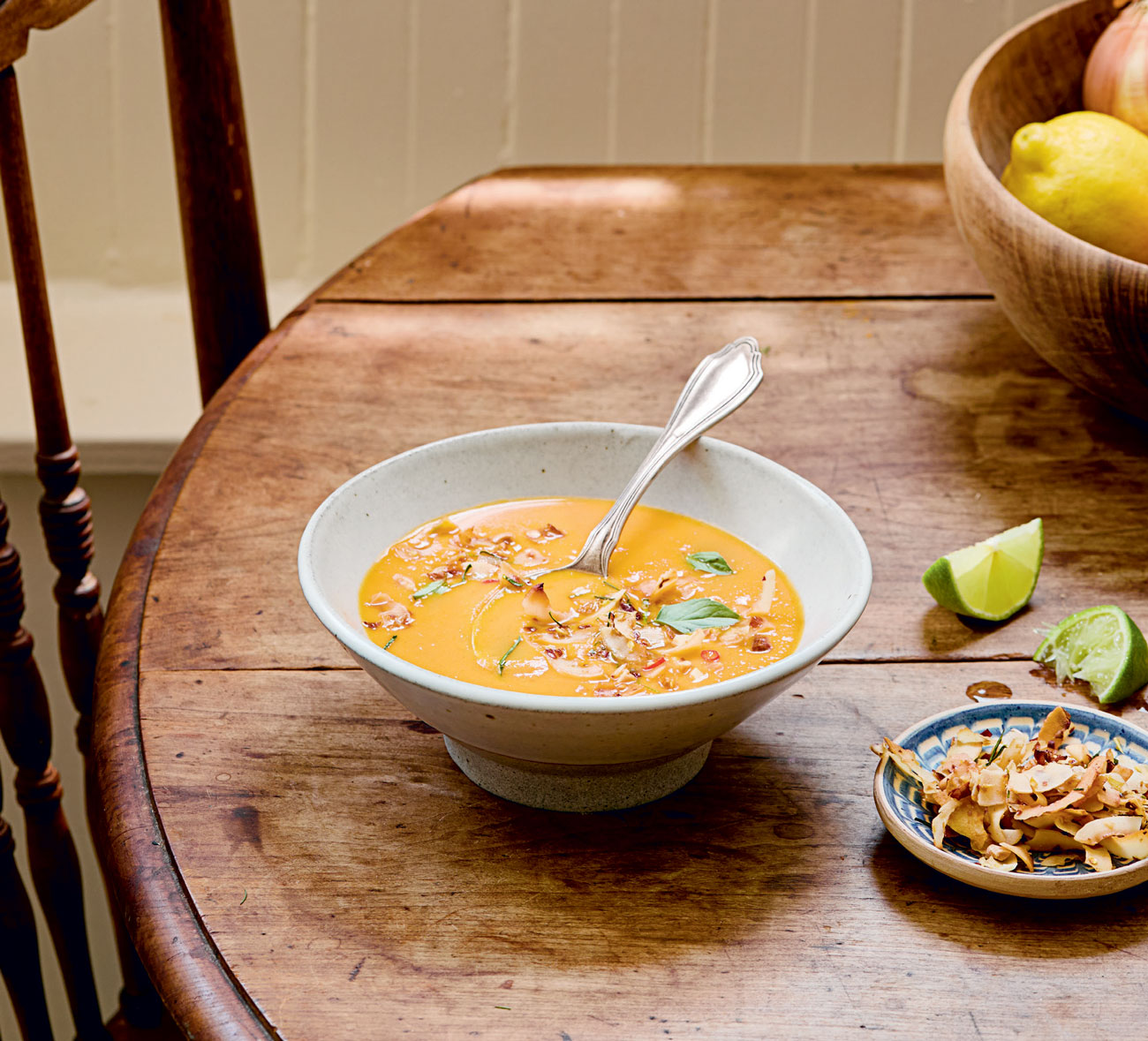
Samin Nosrat’s Curried Carrot and Coconut Soup
Samin Nosrat · Good Things
This comforting soup recipe by Samin Nosrat is made with Thai red curry paste and topped with a crunchy nut mix.
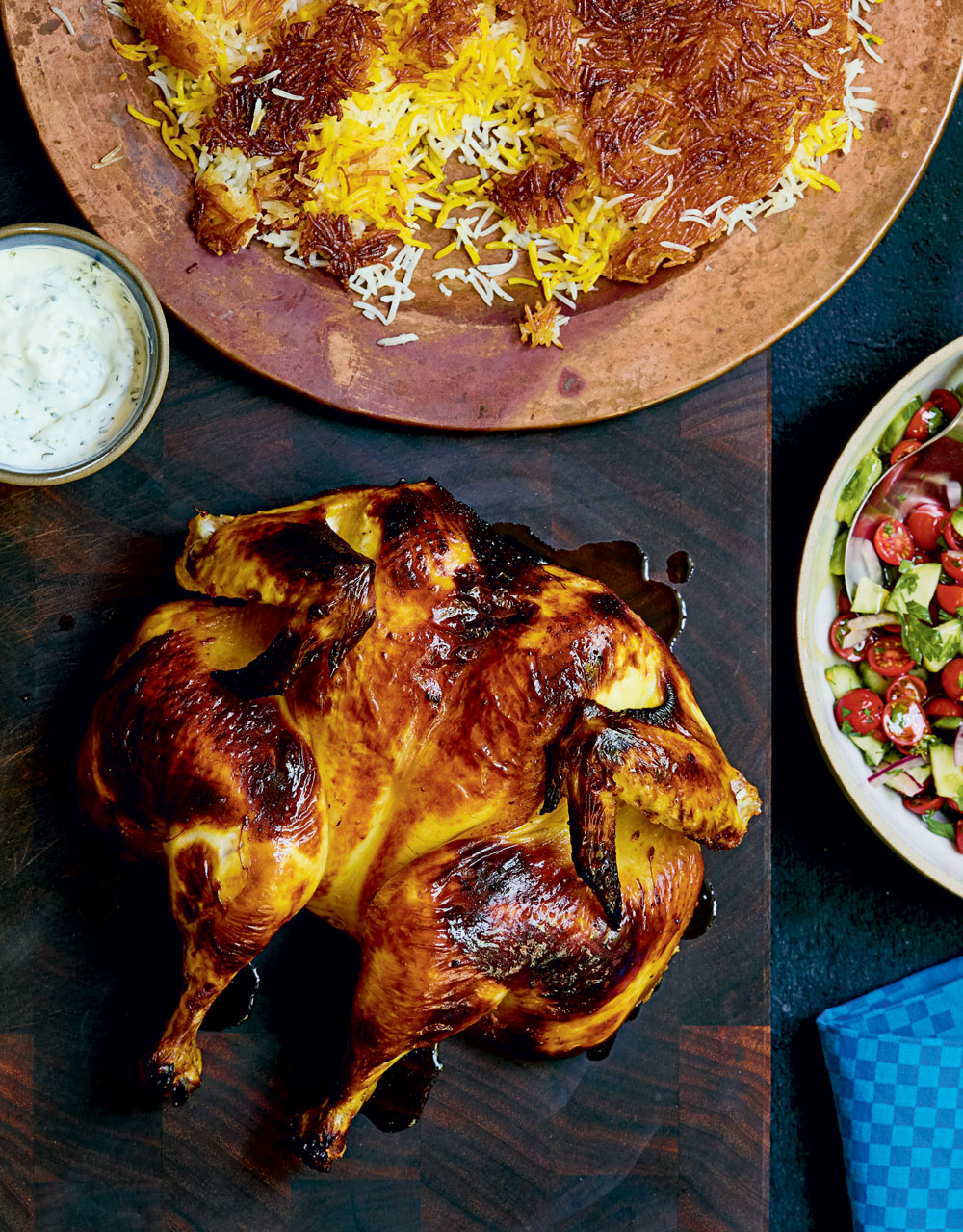
Samin Nosrat’s Joojeh Kabob Roast Chicken
Samin Nosrat · Good Things
This recipe for whole roast chicken with a tangy saffron and yogurt marinade by Samin Nosrat is guaranteed to become a favourite.

Samin Nosrat’s Preserved Lemon and Labne Cake
Samin Nosrat · Good Things
Striking the perfect balance between sweet and sour, this cake recipe using Meyers preserved lemon paste by Samin Nosrat is incredible.

Shiro (Ground-Chickpea Stew)
Samin Nosrat · NYT Cooking
Shiro is a simple, silky ground chickpea stew that takes little time and effort to bring together. In Eritrea and Ethiopia, it’s a most beloved and important dish — a vital source of flavor and protein. In those countries, it’s made with widely available shiro powder, a mixture of ground chickpeas, garlic, onion and spices. This version, based on Ghennet Tesfamicael’s recipe published in “In Bibi’s Kitchen,” by Hawa Hassan with Julia Turshen, cleverly suggests replacing shiro powder with chickpea flour and a homemade blend of berbere spice. You’ll be transported as your kitchen fills with the aroma of toasting warm spices and ground chilies. Traditionally, shiro is served alongside cooked greens and injera or other flatbreads. But it’s also delicious spread in a thick layer atop sourdough toast rubbed with garlic and finished with slices of tomato and a fried egg. Samin Nosrat

Sonoran-Style Flour Tortillas
Samin Nosrat · NYT Cooking
In Sonora, a Northern Mexican region where wheat has been cultivated for more than 400 years, tortillas are typically made of flour rather than corn. But unlike the generally lackluster store-bought wrappers most Americans are familiar with, handmade flour tortillas are pliable, chewy, fragrant, and dotted with mahogany blisters. While this recipe, adapted from Teo Diaz and Julia Guerrero of Sonoratown taqueria in downtown Los Angeles, isn’t complicated, it does require allowing some time for the dough to rest. But the investment is worth it. Once you roll out the tortillas and set them on the hot griddle, they’ll begin to puff with steam as they start to brown. When you take a bite, the aroma of sweet flour enveloped in fat will fill your nose and mouth. Finally, you’ll understand that a tortilla is meant to be an essential component rather than just monotextured wrapping paper for tacos, burritos, or chimichangas. Samin Nosrat

Spinach-and-Cilantro Soup With Tahini and Lemon
Samin Nosrat · NYT Cooking
The simplicity of this soup’s technique belies its depth of flavor, which is both vivid and complex. The soup is made bright with lemon and fresh with cilantro, but the secret ingredient is tahini, which is layered into the soup to thicken it, and then drizzled generously on top in the form of a gently spiced sauce. The result is a soup that’s both vegetal and creamy, tangy and rich. You’ll find it so tasty that you’ll forget you're drinking your vegetables.

Stock-and-Cider-Brined Chicken Over Stuffing
Samin Nosrat · NYT Cooking
This one-pan dinner is ugly — rustic, if we’re being kind — but good. Or as the Italians say, “brutta ma buona.” Truly, though, it’s everything you could ask for in a rich, comforting meal. As it cooks, the chicken, brined in stock and cider, drips its flavorful juices onto the bread. The bread absorbs every drop, turning into a chewy, savory nest cradling the tender, perfectly browned chicken. Each bit of stuffing offers a different surprise — sometimes the sweet-and-sour zing of a prune, other times the faint rumor of Thanksgiving whispered by celery and thyme. It’s as satisfying as you could ever hope, even if it isn’t particularly attractive.

Sweet Potatoes With Tahini Butter
Samin Nosrat · NYT Cooking
Carla Lalli Music, a food writer and editor, is vehemently opposed to roasting sweet potatoes. “I don’t understand why people are constantly roasting them,” she says. “Roasting just makes them more fibrous and leathery, and they never, ever really get crispy.” Instead, she posits that steaming performs a kind of alchemy on sweet potatoes that roasting never does — the moist heat fluffs them into absorbent clouds. And to make up for the inherent blandness of the cooking method, she slathers them with a rich tahini butter spiked with soy sauce, which immediately melts into a mouth-smacking sauce. Her simple recipe ends with a shower of golden sesame seeds and a torrent of lime juice. Try it — every bite will surprise you with crunch, salt, umami and acidity to counterbalance the sweetness of the pillowy potatoes. Samin Nosrat

The Big Lasagna
Samin Nosrat · NYT Cooking
Delicate sheets of handmade pasta are layered with rich béchamel, savory tomato sauce and creamy ricotta filling, and studded with spinach and herbs, in this deeply comforting lasagna. But if you don’t have the time to make each component or can’t find all of the ingredients, use fresh or dried store-bought noodles and avail yourself of the many suggested substitutions. For a vegan version, use cashew milk and vegan butter to make béchamel, vegan cheese and cashew ricotta for the filling, and make sure to buy dried pasta that does not contain eggs. No matter how you make this dish, you’ll find that it’s grand, comforting and perfect for sharing with whoever is around. (Watch Samin make #TheBigLasagna on YouTube.)

Tomato Sauce
Samin Nosrat · NYT Cooking
This simple, savory sauce is rich with tomato flavor. A few basil stems — or whatever herbs you’ve got on hand — add a welcome aromatic note, and a little zip with a blender or food mill leave it with a smooth, silky texture. Use in lasagna, pasta, pizza, or anywhere else you’d use a jar of store-bought marinara.

Via Carota’s Insalata Verde
Samin Nosrat · NYT Cooking
At Via Carota, the charming West Village restaurant run by the partners Jody Williams and Rita Sodi, the menu description for insalata verde does little to give away any details about what makes it so unbelievably, mouth-smackingly perfect. A visual inspection of the dish reveals only leaves of endive, butter lettuce, frisée and watercress all piled as high as gravity will allow, topped by a drizzle of dressing studded generously with shallots and mustard seeds. In truth, all the secrets of this otherworldly salad lay in the graceful, unlikely application of a flavorless one: water. First, the five carefully chosen types of lettuce are all triple-washed to yield what Williams called “a super happy salad.” Next, the minced shallots are given a quick rinse under cold water — instead of a long maceration in vinegar — to keep them shalloty and savory and prevent them from becoming too acidic, which could overwhelm the delicate lettuces. And finally, and perhaps most surprising, Williams ad