

Eric Kim
Food writer
Eric Kim is a food columnist for The New York Times Magazine and a recipe developer and video host for NYT Cooking. A native of Atlanta, he is also the author of the cookbook “Korean American.”
Books & Sources
Recipes

Aglio e Olio Baked Potatoes
Eric Kim · NYT Cooking
The classic Italian combination of aglio e olio (garlic and oil) finds a melodic expression in these Parmesan-festooned baked potatoes. Underneath the fluffy mounds of cheese is garlicky mayonnaise, which, when stirred into a hot pillowy spud, brings a comforting reminder of potato salad. In this recipe, it’s the little things that make a big flavor impact: Use fresh parsley or chives, crushed red pepper that smells fruity and looks jewel-bright, black peppercorns that you’ve toasted and cracked yourself (if you have the patience) and a flavorful extra-virgin olive oil that’s bold, bright or peppery. As in the simple but impactful pasta dish aglio e olio, these baked potatoes pack the biggest punch when each piece plays its part.

Basic White Rice
Eric Kim · NYT Cooking
This unique and stellar stovetop white rice method comes from Sonoko Sakai’s book “Wafu Cooking” (Knopf, 2024). A longer soak time, a shorter cook time and two separate but successive rest times — once before the rice is fluffed and once after — result in the most perfect, shiny, fluffy white rice with tender individual grains. Note that most of this time is inactive. Let this be your new go-to method for when you want to build a meal around a pot of really good rice. Eric Kim

Bean and Vegetable Japanese Curry
Eric Kim · NYT Cooking
In this lovely, warming curry, canned beans give you protein and a soft, starchy bite. Japanese curry is essentially a stew, so add to it what you like: Here, eggplant and spinach melt into the sauce, giving you roughage, then canned beans are stirred through for appearances and chew. Served over rice or noodles, this dish is a veritable weeknight meal with restaurant appeal, and freezes beautifully (see Tips).

Bomdong Bibimbap (Spring Cabbage, Rice and Eggs)
Eric Kim · NYT Cooking
The main character in this quick fridge-raid bibimbap is bomdong, a tender Korean spring cabbage that might be hard to find outside of the peninsular country (though a Korean grocery store may carry it). In its place, you can use the inner leaves of a napa cabbage. You also can use a sturdy lettuce, such as Little Gem or even romaine. Any of these options will taste great here, as it’s really the spicy, salty-sweet-savory dressing that ties everything together: a glorious tangle that’s at once a salad and a comforting rice dish. This comes together in 15 minutes if you have cooked rice on hand. If you don’t, get the pot started before you make the cabbage.

Braised Kimchi Chicken With Sweet Potatoes
Eric Kim · NYT Cooking
A ginger- and gochugaru-infused butter underpins the multilayered seasonings in this savory braised chicken dish. Kimchi’s acid tenderizes the meat and provides intensity to the final gravy, an electric-red pool of umami. White rice tastes great with this, as do mashed potatoes or crusty bread, to sop up all the buttery juices. An age-old secret to juicy chicken is blanching, then shocking the meat with cold water, a technique that appears in dishes like Chinese white-cut chicken and Hainanese chicken rice. This initial step also results in a clean chicken flavor and a rich, pure-tasting sauce.

Broiled Wild Salmon and Peppers
Eric Kim · NYT Cooking
Inspired by a roasted salmon dinner at the now-closed Upper West Side restaurant Buca, where a blazing brick oven delivered most of the flavor, this weeknight meal helps you achieve two things at once: perfectly cooked wild salmon and an effortless vegetable side dish. The fish maintains its juiciness and plump appeal thanks to a quick dry-brine, mayonnaise and the broiler. When you’re broiling, you need vegetables that will cook quickly. Here, onions, peppers and mushrooms are tossed with capers to go with the salmon. You can use any combination of the vegetables for 1 ½ pounds total. Whatever you do, don’t skip the capers: They season this lovely meal with their briny salinity. This tastes great with crusty bread or white rice.

Brothy Tomato Rice Soup
Eric Kim · NYT Cooking
This quick and nourishing soup captures the concentrated umami, acidic-sweet brightness and floral aroma of fresh tomatoes. If you can buy the ones on the vine, you’ll end up with an even more intense scent. Fragrant jasmine rice lends body and thickens the broth just enough. The perfect lunch or light dinner, this comforting meal reheats beautifully, too, to a texture not dissimilar to congee or juk, and tastes like peak summer in soup form. A note on cooking with tomato vines: They lend a surprising tomatoey flavor to brothy curries and soups like this, accentuating the aroma of the fruit in a beautiful way, but they do contain plant defenses called glycoalkaloids, so don’t eat them.

California Rolls
Eric Kim · NYT Cooking
The California roll at Yanagi Sushi in Honolulu has individual grains of soft rice; a fresh, fat hunk of perfectly ripe avocado; just a sliver of cucumber for aroma and freshness; and cooked snow crab, a sweet flurry of tender filaments bound by mayonnaise. This recipe, with its pristine proportions, comes from one of Yanagi’s founding sushi chefs, Tsutomu Nakayama, whose brother, Haruo, opened the restaurant in 1978, the same decade the California roll was invented. Eric Kim

Caramelized Kimchi Baked Potatoes
Eric Kim · NYT Cooking
In this otherwise classic baked potato, kimchi is stepping in for bacon. It’s cooked down in a hot pan with butter and sesame oil to mellow its sharp, tangy edges while concentrating its salty savoriness. A pinch of sugar, though optional, helps the kimchi caramelize. Piled high on a fluffy baked potato, the umami-rich kimchi tastes fabulous with melted extra-sharp Cheddar and cooling sour cream. With such simple ingredients, it helps to really pile them on for maximum flavor impact.

Cauliflower Alfredo Pasta
Eric Kim · NYT Cooking
Good cheese, good vegetables, good pasta. What more could you need? These quick creamy noodles rely on one thing: a stellar homemade Alfredo sauce. Butter, cream and cheese get you there, anchored by the musky aroma of nutmeg. Adding cauliflower to the boiling pasta in the last few minutes of cooking results in a lighter, glossier final sauce. Serve with an arugula salad, dressed simply with lemon juice, salt, pepper, crushed red pepper, extra-virgin olive oil and more grated cheese.

Chicken à la King
Eric Kim · NYT Cooking
This regal midcentury favorite of tender poached chicken draped in a creamy sherry sauce is due for a revival. Think of chicken potpie filling without the crust, or the kind of banquet poultry served at weddings. Many hotel chefs in the 19th century, including George Greenwald of the Brighton Beach Hotel, claim to have invented chicken à la king, which has as many variations as there are cooks. This particular iteration of the retro dish comes from Craig Claiborne, adapted from a column he wrote for The New York Times in 1969. For the full effect, serve the comforting chicken with toast triangles, as they still do at nostalgic restaurants like Musso & Frank Grill in Los Angeles and Cecchi’s in New York City, or enjoy with rice, noodles or biscuits, whatever makes you happy. This dish reheats beautifully in the microwave or over low heat on the stove. Eric Kim

Chicken Pasta Bake
Eric Kim · NYT Cooking
Chicken Pasta Bake

Crispy Chicken With Lime Butter
Eric Kim · NYT Cooking
You don’t need a thermometer to know when these chicken thighs are done. You just need your ears. In this recipe, chicken thighs are slow seared using a technique from the chef Paul Bertolli called “bottom-up cooking” where the chicken cooks almost entirely on the skin side over moderate heat, resulting in shatteringly crisp skin. The gentle sputtering sound that signals the release of moisture from the chicken hitting the hot fat in the pan stops when the meat is fully cooked and the skin crisp and evenly browned. A quick pan sauce of chicken stock, lime juice and maple syrup, made glossy with a few pats of butter, completes this dish.

Crusty Dinner Rolls
Eric Kim · NYT Cooking
These hearty, lightly fermented rolls, made fresh every Tuesday to Saturday at Eulalie restaurant in New York City, are a joy to bake, and surprisingly easy. The chef Chip Smith starts the dough at 10 a.m. and bakes them by 5 p.m. to serve at dinner. All you need are a few brief moments of active work, plus time for the dough to rise three times for soft interiors — aided by the addition of cake flour — and a wonderful crust that blisters like a good baguette. Eric Kim

Dak Bulgogi (Korean BBQ Chicken)
Eric Kim · NYT Cooking
One great joy of bulgogi, marinated grilled beef that translates to “fire meat,” is that you can prepare it in advance and, when you’re ready to eat, have dinner on the table in under 10 minutes. This stovetop chicken variation, dak bulgogi, provides the same workday convenience and savory-sweet flavors, thanks to soju, an alcohol which tenderizes the meat, and maple syrup, which caramelizes beautifully without burning. Apple juice extends those ingredients and allows room for the subtle umami — known in Korean as gamchil mat — from garlic, ginger and scallions to gently season the chicken. Don’t skip the salt, pepper and lemon at the end; they complete this deliciously brisk dish.

Dubai Chocolate Cookies
Eric Kim · NYT Cooking
From December 2025 to January 2026, dujjonku, a portmanteau of “Dubai” and “jjondeuk” (the Korean word for chewy), spread like wildfire in Gimpo, South Korea. The pastry chef Kim Na-ra of Mond Cookie invented the confection, which is less a cookie than a truffle with the crunchy pistachio cream filling of Dubai chocolate, wrapped in marshmallow and dusted with cocoa powder. A fun project to make at home, this recipe calls for a little patience and a lot of attention. If you follow the directions carefully — taking care not to overheat the marshmallow shell so it stays chewy — you’ll be rewarded with eight perfect rounds.

Gamja Jeon (Potato Pancakes)
Eric Kim · NYT Cooking
It’s incredible the amount of satisfaction one can get from transforming a single potato into gamja jeon, Korea’s answer to the potato pancake. Not quite a hashbrown, nor a latke, jeon has no exact English translation: In Korean cuisine, it’s a rich category of pan-fried fritters, including vegetables, seafood and meat often dipped in flour, egg, then hot oil. This nontraditional version of gamja jeon is crispy on the outside and tender-chewy on the inside. Mostly made with egg, starch and potato and paired with choganjang (vinegar soy sauce), it highlights the spud’s flavor, earthy and full of French-fried goodness.

Gukbap (Beef and Bean Sprout Soup With Rice)
Eric Kim · NYT Cooking
Gukbap means “soup rice”: a rich category of Korean dishes where a scoop of steamed white rice is served inside a warming bowl of brothy soup. This variation of a classic Korean gukbap from Jeonju, South Korea, leads with beef and radish, bolstered by a hearty handful of kongnamul, or bean sprouts, which lend both protein and aroma. Many soups can be gukbap, so long as you serve it with the rice. The key to a good gukbap is the homemade broth, threaded with quiet umami: the kind of flavor you can’t get from a box.

Haemul Pajeon (Seafood Scallion Pancakes)
Eric Kim · NYT Cooking
Haemul pajeon, perfumed with savory seafood and scallion flavor, have shatteringly crisp exteriors with soft, often chewy, interiors. Arguably the homiest of jeon — the vast category of Korean pan-fried fritters — haemul, or seafood, pajeon are surprisingly chill to make on a weeknight. Stuffed with zucchini, squid and shrimp, these particular ones from the chef Mingoo Kang “are easy to customize,” he writes in his book “Jang: The Soul of Korean Cooking” (Artisan, 2024). You can swap in other seafood or vegetables or add kimchi. This recipe makes enough batter for two pancakes, which can be eaten as a complete meal but are more commonly enjoyed as a party snack with alcohol or small plate among other dishes. The instructions below call for plenty of oil for frying; that’s the real secret to a great homemade pajeon (scallion pancake). —Eric Kim

Hangover Kimchi Soup
Eric Kim · NYT Cooking
Garlicky, gingery and full of bright flavors, this panacea will heal you from within. The amount of spice is up to you, but know that a little red chile lends immeasurable flavor in addition to heat. If your ginger root is especially young and tender, consider peeling then cutting it into fine 1-inch matchsticks to eat in the soup for an even deeper, punchier warmth. White beans offer protein in this brothy meal, which becomes even heartier with the addition of white rice or noodles. (You can also sop it up with a slice of cornbread.) Reheat this nourishing soup throughout the week, adding more broth and various crisper-drawer vegetables you need to use up, like cabbage, kale, arugula, watercress and bean sprouts. Quick-cooking proteins like shrimp and tofu taste great in place of the beans, too.

Hot Honey Baked Sweet Potatoes
Eric Kim · NYT Cooking
Goat cheese and honey are a tried-and-true dream flavor pairing, but goat-cheese whipped cream and hot honey turn simple baked sweet potatoes into a veritable party. The combination of rosemary and nuts atop these plush orange babies is reminiscent of bar nuts.

Jalapeño Grilled Chicken Breasts
Eric Kim · NYT Cooking
These might be the juiciest chicken breasts you’ll ever cook. The fresh, peppery, neon-green brine — imbued with fresh onion, jalapeños, garlic and sake — results in irresistibly succulent meat with the clearest, most straightforward pepper taste. Bolstered by the barbecue’s fire taste, this grilled chicken is great alongside freshly steamed jasmine rice and your favorite hot sauce. If you don’t have an outdoor grill, an indoor grill pan works well; just be sure to ventilate your space well by turning on the hood vent and leaving a nearby window or door open. If you’re cooking this on an indoor grill pan, feel free to cover any empty spaces with thickly sliced onion and extra jalapeños: This prevents the pan from scorching and also gives you a free vegetable side dish.

Jjajangmyeon (Black Bean Noodles)
Eric Kim · NYT Cooking
Smothered in a supersavory gravy studded with pork belly, these chewy wheat noodles are South Korea’s cultural equivalent to delivery pizza in the United States. Traditionally a takeout food, this variant of China’s zha jiang mian was created in Incheon, South Korea, by Chinese migrant workers around the turn of the 20th century. Over the years, the dish has become sweeter and richer with pork to match Korean palates. A flavorful broth results in the most flavorful jjajang sauce, which is simmered slowly here to develop the deep comfort of onion and cabbage that scaffolds umami sweetness over the fragrant pork belly. Traditionally, powdered starch thickens the sauce, but here, grated potato achieves the same effect with less gloopiness.

Junior’s Cheesecake
Eric Kim · NYT Cooking
In 1950, the year Junior’s opened on Flatbush Avenue in Downtown Brooklyn, founder Harry Rosen spent months with the Danish-born baker Eigel Petersen developing what would become one of the most well-known New York-style cheesecakes in the country. This recipe puts the cake in cheesecake: A soft, thin bedding of ethereal sponge cake, flavored with a whisper of lemon extract, supports the light but dense, dreamily smooth cream cheese layer. Alan Rosen, Harry Rosen’s grandson and now the owner, shared the restaurant’s recipe, which has been adapted here for home ovens. Though Junior’s cheesecakes are classically blonde, sometimes light golden, this one gains a deeper hue on top, which is not only okay but delicious, Mr. Rosen said. Eric Kim
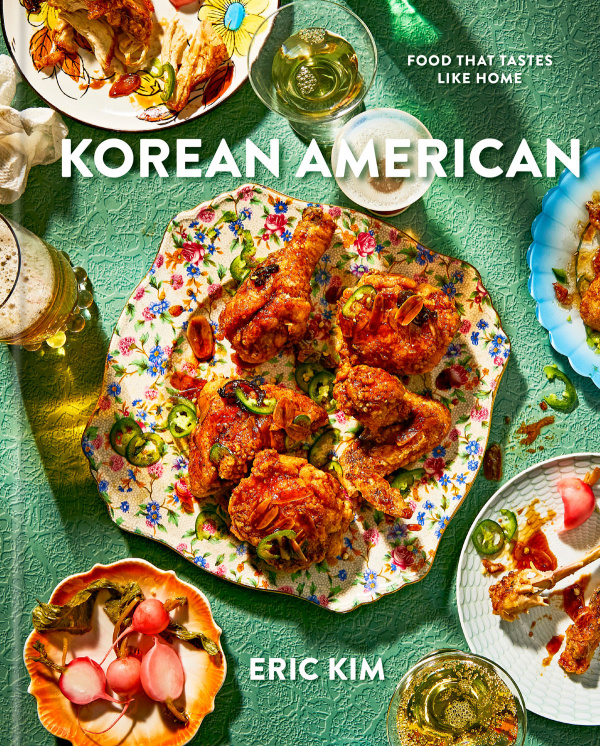
Kimchi Bibimguksu With Grape Tomatoes
Eric Kim · Korean American
A favorite (and regular) raw kimchi preparation in my family is this bibimguksu, which just means “mixed noodles.” For a cold noodle dish, this one is surprisingly comforting. I was testing it in the summer when Jean’s garden tomatoes were at their peak, so I added them and loved the fresh pops of umami they lent. Thick-skinned grape tomatoes are best here for their snap, but you can use whatever you like. My dad loves this.

Kimchi Napjak Mandu (Flat Dumplings)
Eric Kim · NYT Cooking
Kimchi lovers can rejoice in these fun-to-make (and eat!) dumplings. With less filling than other Korean-style dumplings, these fry up flat and eat more like jeon, the category of pan-fried fritters or pancakes that are the star of Korean party food, especially during holidays like Seollal, the Korean New Year. A final flourish of gochugaru, sea salt and scallions tops the mandu, reflecting how these are typically served on the streets of Daegu, the southeastern city in South Korea known for this style of flat dumpling. Though napjak mandu are traditionally shaped like half moons, the use of square wonton wrappers folded into triangles results in more surface area, and in turn, more crunch.

Lemon-Turmeric Crinkle Cookies
Eric Kim · NYT Cooking
Delivering warmth from turmeric and brightness from lemon zest, these golden crinkled cookies feel (and look) like sunbeams breaking through clouds. Imagine powdered doughnuts run through with Fruit Loops cereal milk on a Saturday morning. In fact, these soft, crisp-edged cookies are lovely for breakfast, but don’t restrict their bright, sunny disposition to a specific time of day: Pair them with a glass of milk or cup of herbal tea, whether as an afternoon pick-me-up or a not-too-sweet finish to any meal.

Marry Me Salmon
Eric Kim · NYT Cooking
A take on Marry Me Chicken, this dish is the weeknight fish you cook for your future life partner. Perfectly seared salmon bathed in a creamy sun-dried tomato gravy is anchored by the familiar one-two punch of dried oregano and crushed red pepper. By cooking the fish mostly on the skin side, then gently poaching the flesh side in sauce, you get shattering skin yielding to plush salmon. Bottled clam juice, readily available at the grocery store, gives the creamy red sauce a seafood taste. Serve with crusty, fluffy Italian bread or your favorite pasta tossed with a dribble of oil from the jar of sun-dried tomatoes.

Marshmallow-Pecan Sweet Potato Casserole
Eric Kim · NYT Cooking
At last, here is a version of this Thanksgiving casserole that’s not too sweet, thanks to a few smart, simple tricks. First, the potatoes are baked whole to concentrate their flavor and reduce their moisture for a fluffy mash. Woodsy bay leaves and fruity black pepper perfume the potatoes with undeniable savoriness. There are no extra spices here, just plenty of salt, so the natural earthy sweetness of the spuds can shine. The marshmallows are necessary, not a retro quirk: Halved and toasted under the broiler, they create a crackly thin, turtle-shelled top that complements the potatoes and provides most of the dish’s sweetness.

Mint Chocolate Chip Cookies
Eric Kim · NYT Cooking
These easy, fun-to-make cookies taste and feel like you’re eating mint chip ice cream, thanks to the peppermint extract and its icy cooling effect. A crisp-tender sugar cookie base — made without a mixer — is topped with a layer of minty white chocolate that’s thinned out with olive oil. Dark chocolate shavings lend bitterness to balance the sweetness.

Mushy Peas
Eric Kim · NYT Cooking
Classically a dull-green side dish for fish and chips, mushy peas are the unsung hero of British “comfort sludge,” as the food writer Ruby Tandoh calls it. The original “mushy peas” come from dried marrowfat peas, which are peas that mature and even dry out on the plant; they’re hard to come by outside of the U.K., which is why this modern iteration calls for supermarket frozen peas. Ms. Tandoh’s proportions here mimic the delicious green gunk that tops many a crusty bread in Australia, California and beyond, as she writes in “Cook As You Are” (Knopf, 2022): “Think avocado toast, but peas.” This verdant melange of protein and carb is an excellent base recipe for all your hopes and dreams: Stir in garlic, Parmesan and crème fraîche (like Nigella Lawson); a knob of butter couldn’t hurt (as Jamie Oliver does); and if you really want to taste the peas as they are, just use a pinch of salt. Whatever you do, don’t skip the fresh mint — its cooling sweetness brings out the peas’ most elementa

Nurungji (Scorched Rice)
Eric Kim · NYT Cooking
People forget that rice isn’t just a blank canvas; it has a unique flavor all its own, whether it’s jasmine, basmati or sushi rice, or any other kind you and your family love. Scorching it helps you taste its nuance. Also known as socarrat in Spanish cuisine (when it crisps on the bottom of a paella pan) or tahdig (in Persian households), among many other names, scorched rice is a natural byproduct of cooking rice in a pot over fire. This simple recipe extends the life of leftover rice to achieve that crisp, tender rice, a lovely treat that doesn’t require the time it takes to tenderize uncooked grains.

Olive-Oil Mashed Potatoes With Bay Leaves
Eric Kim · NYT Cooking
These simple but profoundly delicious mashed potatoes, from the chef Nick Anderer of Anton’s in Manhattan’s West Village, highlight the power of fresh bay leaves and their woodsy bouquet. Milky, peppery and umami-accented, these spuds achieve the perfect balance of starch, liquid and fat, and are special enough for a holiday dinner but easy enough for Sunday supper. Mr. Anderer uses a gentle folding motion to distribute the milk, fat and cheese so that, in his words, “every bit of potato is moistened and seasoned.” Feel free to halve the amounts if you’re not cooking this for a holiday crowd, and yes, they can be made ahead of time (see Tip). Eric Kim

Parchment-Steamed Fish With Buttered Radishes
Eric Kim · NYT Cooking
These aromatic parcels of spoon-tender white fish, sweet steamed radishes and peppery greens are a delight to unwrap at the table, like Christmas presents. Baked in parchment or “en papillote,” the fish cooks gently, emanating the dynamic aromas of chile, garlic and scallions and a good smattering of salt. Meanwhile, the radishes lend their pink juices to the broth that forms naturally from the fish and vegetables. The gentle, soothing tastes here are undeniably savory and surprisingly flavorful considering the ingredients are few. Though this recipe makes enough for two, you can easily double or triple the amounts to feed a crowd, making it great for entertaining.

Pasta With Green Bean Ragù
Eric Kim · NYT Cooking
This spoonable pasta, the result of smart home cooking, is a dance of sorts between two pots: Fresh green beans boil with the pasta in one pot to season the water with their gentle vegetal umami, while the quick sausage ragù simmers in another. That green-bean broth gets incorporated into the final dish, a rich, melting mix of Italian sausage, fennel seeds and crushed red pepper. A squeeze of lemon and a generous grating of Parmesan bring it all together.

Persimmon Cardamom Cake
Eric Kim · NYT Cooking
This bouncy, tender spiced cake celebrates winter persimmons in all their glory. Baking wedged Fuyu persimmons — the squat, tomatolike ones — until their flavor concentrates and their moisture dissipates leaves you with syrupy fruit that doesn’t sog up the cake later. A little coconut extract, a whisper of the tropical, props up the gentle sweet aroma of the orange fruit, with cardamom playing a major role in bringing out its floral, pumpkiny qualities. Whipped cream folded into the batter at the end, a trick from the baker Heather Dekker-Hurlbert, results in a light, even crumb. Thanks to a sprinkling of cardamon sugar on top before baking, the cake gains a glorious caramelized crust with cinnamon toast vibes (but cardamom).

S’mores Brownies
Eric Kim · NYT Cooking
These fudgy s’mores bars have three layers: crispy graham cracker bottoms, satisfyingly chewy brownie centers and toasted marshmallow tops. They couldn’t be simpler to make and taste best chilled, straight out of the refrigerator, but campfire nostalgists will love them at room temperature, or microwaved for 10 seconds for gooey centers. Be sure to use a metal baking pan since the timing for the toasted marshmallows requires the brownie base to bake quickly and evenly.

Saland-e Nakhod (Chickpea Yogurt Stew)
Eric Kim · NYT Cooking
In 2007, the human rights investigator Michael Shaikh first tasted this dreamy, golden chickpea stew, saland-e nakhod (also called qurma-e nakhod), at his friend Tamim Samee’s dinner table in Kabul, Afghanistan. “It’s a dish some Afghan families have forgotten,” Mr. Samee told Mr. Shaikh. This recipe comes to us from Mr. Shaikh’s book, “The Last Sweet Bite: Stories and Recipes of Culinary Heritage Lost and Found” (Crown, 2025). Many cultures have a richly spiced chickpea stew thickened with tangy yogurt. This one, with its soft, comforting flavors, belongs in that glorious pantheon. Canned chickpeas taste lovely here, but if you have some extra time, starting from dried results in a deeper, more layered savoriness that puts the starchy legume front and center. Eric Kim

Seared Scallops With Tomato Salad
Eric Kim · NYT Cooking
A perfectly seared scallop needs little more to taste complete. A squeeze of lemon is sufficient, but if you want a stellar partner to balance the sweet saline bite of caramelized sea scallops, make this tomato salad of tomato salads dressed with an acidic, savory vinaigrette inspired by mignonette, the classic accompaniment to raw oysters. It’s dotted with minced shallot to carry tomatoes and earthy spring mix — and scallops, of course — to umami heights.

Sheet-Pan Japchae
Eric Kim · NYT Cooking
Though readily available at restaurants today, japchae — the royal Korean stir-fried glass noodle dish — is traditionally a banquet affair, eaten just a few times a year at holidays and special occasions because the labor to produce it is so high. Each vegetable, among a rainbowed array, is ordinarily stir-fried individually, but in this variation, all of the vegetables roast together on the same sheet pan in color-blocked sections for ease and deliciousness. The roasted vegetables caramelize with less effort, and then need only to be tossed with the noodles and sauce, making japchae a dish within reach for any night of the week. The spinach, mushrooms and bell pepper recall key flavors of typical japchae, but you can use whatever vegetables you have on hand or prefer. Frozen spinach might not be a conventional ingredient, but it roasts beautifully and ends up tasting almost like umami-rich kale chips or roasted seaweed. You can add a drop of toasted sesame oil, if you’d like, but the

Sizzled Bratwurst With Mashed Potatoes
Eric Kim · NYT Cooking
Spiced and savory German sausages, bratwurst are a juicy secret weapon for busy workdays. When served at home, they can be pan-fried or grilled and served with mashed potatoes, warmed sauerkraut and hot German mustard, all of which balance the richness of the fatty sausages. The simple bratwurst technique in this recipe is pulled straight from German home cooking: simmer the sausages in water to plump them up first before letting that water evaporate, then sear the outsides in the bratwurst’s own rendered fat. Bratwurst are also a popular street or festival food in Germany, in which case they might be served with bread rolls called brötchen or semmel. Wash this hearty and nourishing (but surprisingly not too heavy) dish down with a cold German lager, pilsner or wheat beer such as Hefeweizen.

Spaghetti Napolitan
Eric Kim · NYT Cooking
Spaghetti Napolitan should be thought of as a yaki (“fried”) noodle dish more than an Italian-style pasta. This smart, effortlessly delicious version comes from ketchup lover Chiaki Ohara of Davelle, a Japanese café on Manhattan’s Lower East Side. Frying the ketchupy noodles and vegetables over high heat, in a generous amount of oil, results in a deeply satisfying sauce, so don’t be afraid of a little fire (or oil, for that matter). This is Japan’s yoshoku (“Western-style”) interpretation of Italian tomato spaghetti, a dish that’s hard to get right, but Ms. Ohara’s Napolitan ratios are quietly precise and genius. If you can relish it, the soft fried egg on top adds so much. Eric Kim

Spicy Cucumber Noodle Salad With Clams
Eric Kim · NYT Cooking
Based on the classic Korean banquet dish, golbaengi muchim (sea snail or whelk salad), this refreshing noodle salad makes use of lovely canned clams in place of the snails. When paired with chile, lemon and umami, the seafood in this recipe recalls shrimp cocktail at the Grand Central Oyster Bar and eating local conch in the Bahamas. In other words, it’s a party. The key to this recipe is using the liquid from the canned clams to both season and thin out the dressing so it can really coat the luscious, bouncy noodles. If you have fresh herbs like perilla or mint lying around, use them here with great abandon.

Spicy Jalapeño Cheeseburgers
Eric Kim · NYT Cooking
It takes years to become a master burger flipper, and it’s worth the practice for incredible smash burgers at home. This special recipe and technique, from 7th Street Burger in New York City, teaches you that the best burgers are griddled hot and fast on a flat surface. A large skillet works well for two burgers. A stainless steel pan gives you the best browned crust, but cast iron is good too. Restaurant chefs have meat presses to flatten the patty, but at home you can use any heavy pot or saucepan with a handle and flat bottom. The richness of the thin, flat and crispy patty is cut by fresh jalapeño slices that turn bright green from the heat of the burger. Use your favorite mayonnaise or secret sauce, or make your own. At 7th Street Burger, they add a ghost pepper hot sauce that pairs well with the fresh chiles. Eric Kim

Spinach Egg Bites
Eric Kim · NYT Cooking
Lovers of the sweet, earthy flavor of leafy greens can rejoice in these fluffy egg bites, which are mostly spinach and scallions bound by a little egg. Many great dishes of the world start like this: Spanikopita, the savory Greek spinach and feta pie, comes to mind, as does kuku sabzi, the herby, frittata-like Persian dish. These egg bites are a great make-ahead breakfast or high-protein snack on their own, and they’re also a lovely lunch or light dinner alongside a green salad. They’re adaptable, too: You can swap out the scallions for dill or parsley, and the Parmesan for Cheddar or feta. Make them your own.

Tangy Tzatziki
Eric Kim · NYT Cooking
Inspired by the tzatziki served at Sto Kastro, a Greek restaurant in Germersheim, Germany, this thicker, fluffier iteration of the sauce lets the pairing of cucumber and yogurt shine. The main technique here is to really squeeze the liquid out of both the cucumbers and the yogurt, which results in tzatziki that’s both creamy and almost fluffy. A second trick, from the cookbook author Suzy Karadsheh, is to use distilled white vinegar instead of lemon juice. The vinegar’s straightforward acidity delivers the best of the cucumber and yogurt. This cool, creamy mix tastes fantastic when spread on warm pita bread and crackers or used as a dip for chips and fresh crunchy vegetables.

Tobiko Pasta
Eric Kim · NYT Cooking
When you’re craving the dynamic flavors of sushi and the warmth of creamy pasta, this speedy meal hits the spot. It stars tobiko, the delightfully briny and slightly sweet flying fish roe that often coats the outside of a California roll. Other roes such as ikura (from salmon or trout) and masago (from capelin) work well too. They all lend rich seafood flavor with zero effort, not to mention fun pops of texture. The only thing you have to cook is the spaghetti, which gets tossed with cream cheese, Cheddar and pasta water to become a lovely sauce. Creamy but light, the sauce gains dimension from the tried-and-true combination of soy sauce and the horseradish bite of wasabi paste, which mellows out once combined with the hot pasta. Enjoy with your favorite sparkling wine or sake.

Vietnamese-Inspired Roast Chicken
Eric Kim · NYT Cooking
The spiced, herbaceous flavors of phở gà, the comforting Vietnamese chicken noodle soup, find their way into this roast chicken. A splash of water in the roasting pan creates a quick burst of steam, which results in beautifully rendered chicken fat, evenly bronzed skin and the tenderest pull-apart meat. The butter melts off the chicken and into the pan with the aromatics — savory onion, sticky ginger and sweet cinnamon sticks, and you can baste the bird with that spiced fat to create a lacquer of bold flavor on the skin. Eat this chicken with the kinds of accouterments you would with a bowl of pho: Sriracha, lime and lots of fresh herbs. Rice noodles or steamed rice would taste great alongside.

Wang Mandu (King Dumplings)
Eric Kim · NYT Cooking
Wang mandu, which translates to “king dumplings,” is just a reference to the dumplings’ size, rather than any royal status. A fluffy sweet bun is the perfect parcel for the savory beef, mushroom and onion filling, which is not traditionally Korean but tastes familiar, like a good burger. You could also fill these buns with pork, garlic chives and dangmyeon, tender glass noodles made with sweet potato starch; or tofu and finely chopped vegetables, plump with vegetal umami. A quick, salty-sweet soy-sauce pickle of red onion and jalapeño is a vibrant dipping sauce for these rich and satisfying dumplings.

White Chocolate Raspberry Cookies
Eric Kim · NYT Cooking
In this chewy, tender cookie, from the Brooklyn-based baker Autumn Moultrie, the raspberry flavor is neon-bright, thanks to the smart use of freeze-dried raspberries to balance the creamy, often overly sweet white chocolate. A higher ratio of raspberry to white chocolate (which is to say, not too much white chocolate) provides just the right seesawing of tartness to sweetness, fruitiness to creaminess, the joyful interplay that makes these two ingredients play so nicely together. At her bakery Dolly’s Coffee Shop, which Ms. Moultrie runs with her business partner, Brian Villanueva, Ms. Moultrie makes the cookies as big as your face. Home bakers can adjust the size according to their preferences; the bake time will stay the same. Eric Kim